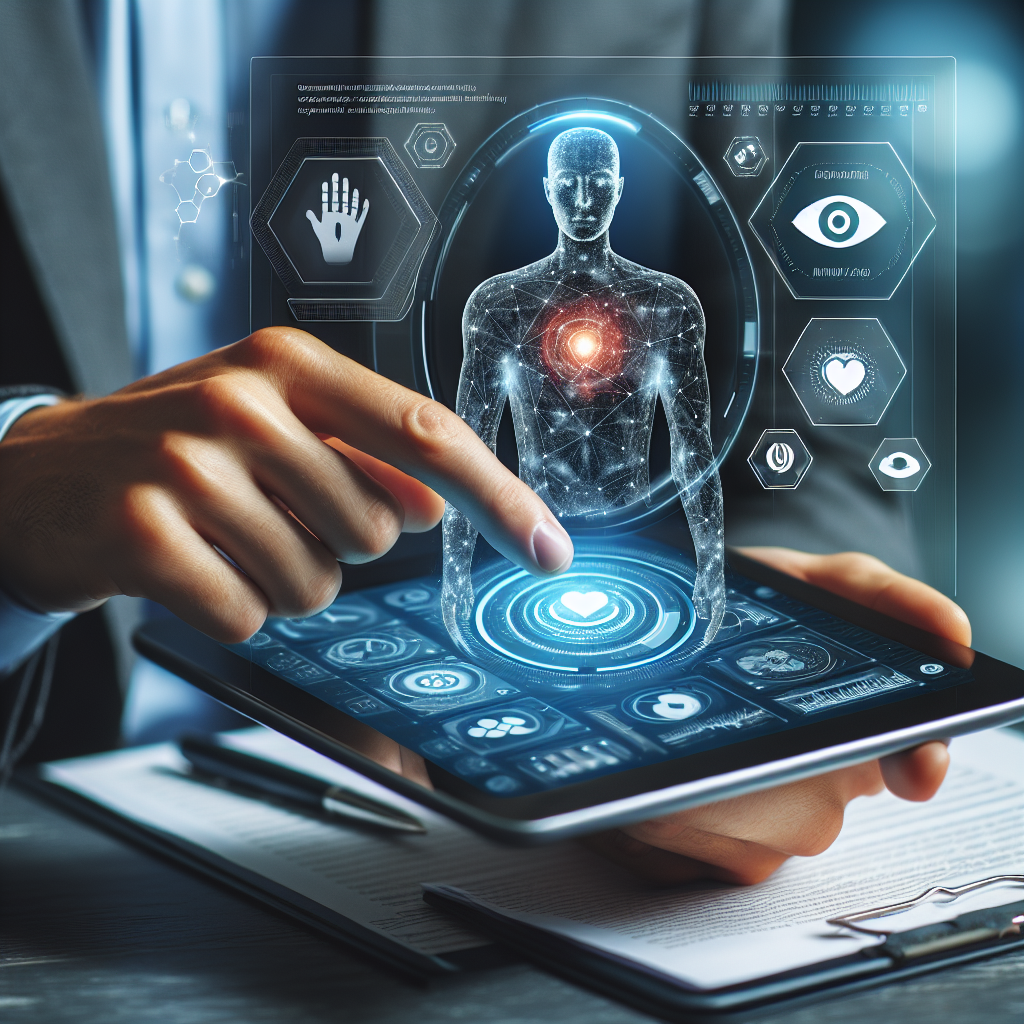
The AI-Powered Consumer Insights Revolution is reshaping how businesses and health organizations understand people’s behaviors, needs, and well-being. By analyzing vast amounts of data, artificial intelligence is providing more personalized insights into consumer habits, including those related to health, nutrition, physical activity, and stress management. This technology is not only revolutionizing healthcare marketing but also creating opportunities for more tailored wellness programs that actually fit people’s lives.
How the AI-Powered Consumer Insights Revolution Supports Healthier Living
At its core, AI-driven consumer insights are about identifying patterns in human behavior. When applied to health, this can mean understanding how and when people choose to exercise, what dietary changes they’re most likely to adopt, or how emotional factors influence sleep. Companies are beginning to use these insights to craft more relevant health products, content, and services.
For example, wearable devices track fitness levels and sleep patterns. With AI, this information can be analyzed in real time to recommend personalized goals, flag concerning trends like an irregular heartbeat, or even gently nudge users to stay hydrated. This is particularly valuable in preventive health, where early adjustments can make a big difference.
Additionally, wellness apps are becoming smarter. They can now adapt content based on user behavior, which often results in higher engagement and better outcomes. Rather than one-size-fits-all advice, users get guidance that’s informed by what has worked for people with similar habits, medical histories, or goals.
Real-World Benefits of AI Consumer Data in Health
One of the clearest benefits of the AI-Powered Consumer Insights Revolution is improved personalization. Healthcare providers, insurance companies, and wellness brands can now design programs and messages that speak directly to an individual’s situation. This means busy parents, remote workers, or aging adults get targeted advice that matches their unique daily challenges.
Better insights also lead to improved health outcomes. When people receive information that resonates with their lifestyle, they are more likely to take action. With AI measuring engagement and making quick adjustments, it’s easier to stay on track with meal planning, stress reduction, and medication reminders.
In public health, this revolution could even help identify health deserts or track the spread of health misinformation. By analyzing large sets of digital interactions, AI can detect emerging needs and help authorities or nonprofits respond faster and smarter. These insights also complement broader efforts in Harmonizing Ethical AI Standards in Global Education Systems, where equity and responsible data use are also key concerns across other sectors.
What to Consider Before Relying on AI for Health Guidance
While the benefits are clear, there are also practical considerations to keep in mind. AI systems can only be as reliable as the data they are given. If the data lacks diversity or contains inaccuracies, the insights could be misleading. This is especially important in healthcare, where incorrect guidance might lead someone to ignore a real issue or use an ineffective solution.
Privacy is another concern. Although many platforms use anonymized data, consumers should be aware of where their health information is going and how it’s being used. Reading privacy policies and understanding terms of service is more important than ever.
Bias in AI is another topic health consumers need to understand. If an algorithm has been trained primarily on data from one group of people, it may not provide reliable recommendations for others. Ensuring that data sources include many different backgrounds can help create inclusive health insights for everyone.
Health Professionals Still Play a Vital Role
Despite its strengths, AI should not replace qualified medical advice. It can be a powerful support tool, but decisions about diagnosis or treatment should still be made in consultation with a healthcare provider. Ideally, AI helps highlight potential issues early or keeps users engaged between appointments, acting as a bridge rather than a substitute.
- Use AI apps to track your habits, but check in with your doctor about major health changes.
- Make sure platforms are transparent about how they collect and use your data.
- If you’re uncertain about a recommendation, find out where the data came from and whether it fits your specific health profile.
Looking Ahead: AI’s Role in Building Healthier Communities
As the AI-Powered Consumer Insights Revolution expands, we can expect smarter public health campaigns, more accurate nutritional labeling, and virtual health assistants that actually understand what each person needs. These improvements could lead to more equitable outcomes, where everyone—regardless of location or income level—has access to proactive, responsive support.
Furthermore, businesses that embrace AI responsibly are likely to earn greater consumer trust. When people feel understood, they are more engaged and more likely to make long-term changes. This is particularly important in areas like chronic disease prevention, where ongoing support is key to lasting impact.
Incorporating AI into everyday health tools can empower people to understand their actions and tune in more closely to their own wellbeing. Whether it’s getting smarter feedback on sleep habits or discovering how stress impacts digestion, AI is helping people become active participants in their health journey.
Ultimately, this revolution isn’t about replacing the human touch—it’s about enhancing it. With AI doing the heavy lifting behind the scenes, people can receive better support, make better choices, and enjoy healthier lives. These same principles are already benefiting other sectors, such as education, where Classroom AI Tutors Impacting Personalized Learning are empowering students and educators alike through real-time support and personalized feedback.