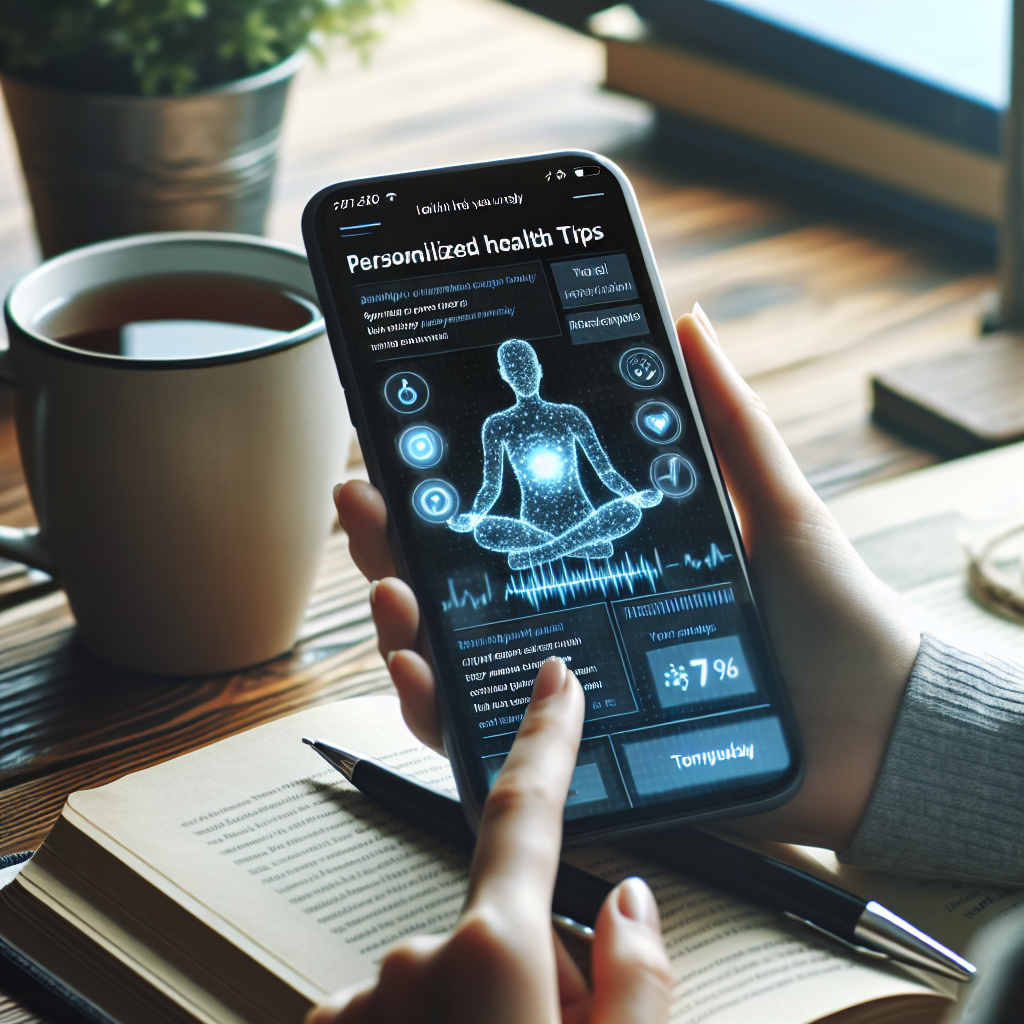
AI-Driven Social Media Content Personalization Strategies are reshaping how people discover and engage with health information every day. By tailoring online content to individual preferences and behaviors, these strategies can help users connect with relevant wellness tips, trusted medical updates, or even local fitness resources. In today’s fast-paced digital world where attention spans are shrinking, personalizing health-related content helps make lasting impressions while promoting informed, healthier choices.
Why AI-Driven Social Media Content Personalization Strategies Matter for Your Health
When it comes to health, no two individuals are exactly alike. From age and lifestyle to medical history and personal goals, everyone processes wellness information differently. That’s why personalization can play a crucial role in keeping people engaged with content that actually matters to them. Artificial intelligence (AI) makes this type of targeted messaging possible by analyzing a person’s social media behavior, preferences, and interactions.
For instance, if someone frequently searches for heart-healthy recipes or engages with fitness influencers, AI is able to identify those patterns. In turn, social media algorithms begin delivering more of that relevant content, whether it’s diet tips from registered dietitians or updates from trusted health organizations. This not only improves user experience, but it also promotes awareness and encourages consistent wellness habits.
How AI Refines Health Messaging on Social Media
AI integrates data science with behavioral psychology to personalize what you see online. This becomes especially important in the landscape of digital health where timely, accurate information can influence lifestyle decisions. Here are some of the main techniques involved:
- Behavioral Analysis: AI tracks engagement with posts such as likes, comments, watch time, and sharing patterns. By doing so, it learns what kind of health content resonates with an individual.
- Natural Language Processing: This method enables AI to understand the context of comments and captions, helping it tailor responses or recommendations based on tone and intent.
- Predictive Modeling: Based on user history, AI can predict what posts a person may be most interested in next. This ensures relevant content keeps showing up when it’s needed most.
- Sentiment Analysis: Beyond interest, AI can determine how users feel about certain health topics. This adds another layer of personalization that adapts over time.
These tools help people stay connected to resources that keep their physical and mental health top of mind, while also filtering out irrelevant or overwhelming information.
Balancing Personalization with Accurate Health Information
There is clear potential for positive impact when using AI-Driven Social Media Content Personalization Strategies, especially in raising awareness and encouraging daily health habits. However, it’s important to acknowledge the need for quality control. Not all content shared on social media comes from qualified or trustworthy sources. In some cases, exposure to too much tailored content can create information bubbles or even reinforce health myths.
That’s why platforms and developers have a responsibility to incorporate checks that favor content from board-certified professionals and evidence-based publications. Likewise, individuals should always verify unfamiliar advice with healthcare providers before making changes to their diet, workout routine, or medication.
Another consideration is data privacy. AI models rely on personal data to function effectively. While most modern platforms declare that user information is anonymized and protected, it’s still wise for users to review privacy settings and stay aware of how their behavior is being tracked and used.
Practical Benefits of Personalized Health Content Online
When done ethically and effectively, AI personalization can make a real difference in someone’s wellness journey. Here are a few realistic benefits:
- Improved Accessibility: People can discover health content that meets their needs regardless of age, education level, or where they live.
- Health Habit Formation: Repeated exposure to motivating messages or success stories can encourage users to build and maintain healthy routines. This is similar to how Mindful Teaching Strategies for Cognitive Resilience Development reinforce lasting behavioral patterns in education.
- Emotional Support: AI can surface communities and conversations that help people feel less alone, particularly when managing chronic conditions or mental health struggles.
- Time Efficiency: Rather than spending hours searching, users receive curated tips and updates that align with their health goals.
Of course, users should treat social media as a supplement, not a replacement, for professional medical advice. The key is to use the platform thoughtfully, combining personalized content with factual, well-rounded healthcare guidance.
Conclusion: Making the Most of Personalized Wellness Content
AI-Driven Social Media Content Personalization Strategies offer a promising way to engage people in healthier living by delivering custom-fit content that speaks to their interests and goals. While this technology continues to evolve, it’s best used in partnership with credible sources and personal judgment. By staying mindful of both the benefits and limitations, people can enjoy a smarter, more productive feed that supports their overall well-being every day.