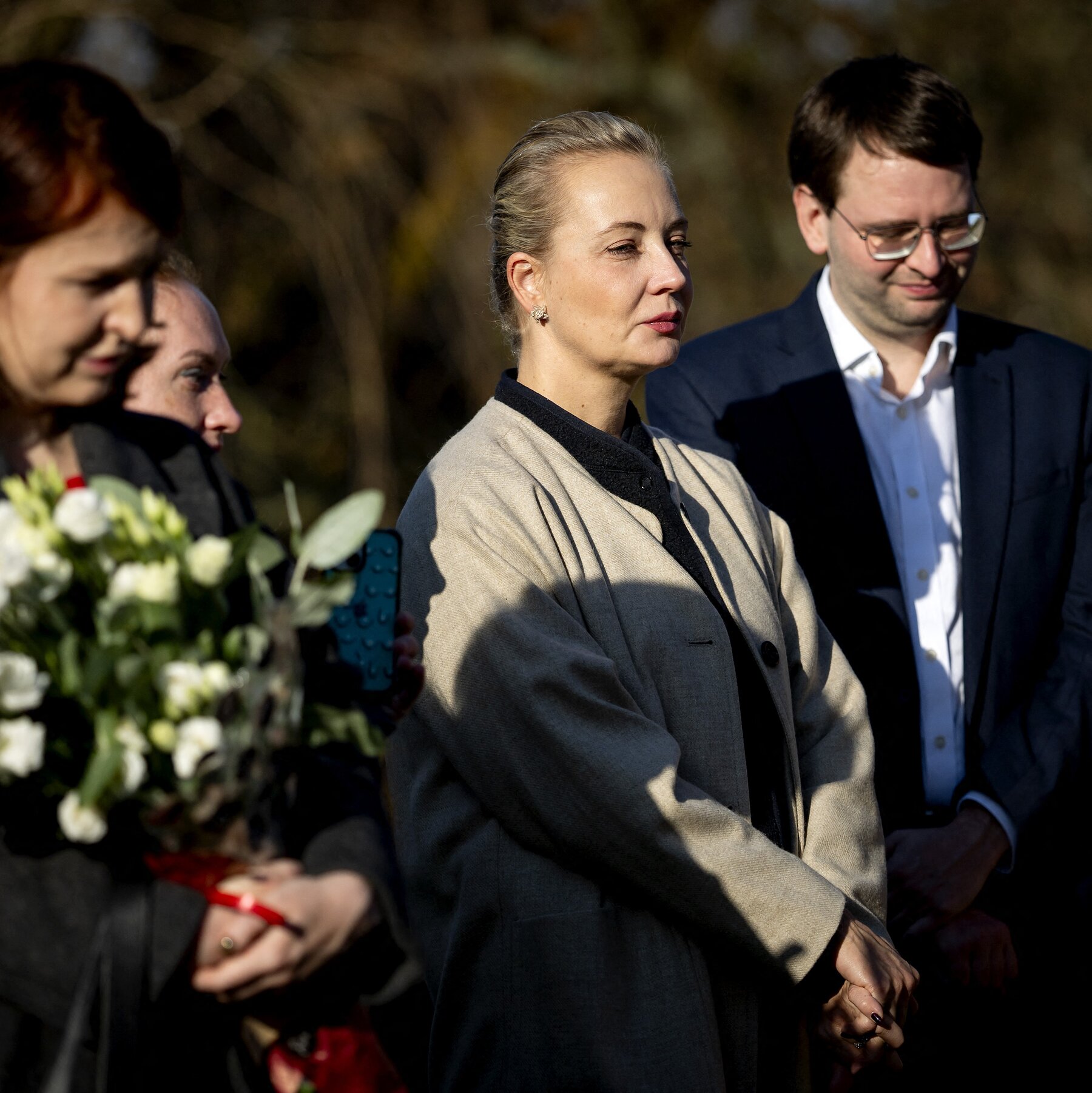
Impact of European Visa Policy on Russian Expats
The recent shift in the European Union’s visa policy has stirred debate across borders. While aimed at addressing security concerns, the change is also prompting conversation about its side effects on Russian expats, many of whom have distanced themselves from the Kremlin’s actions. Let’s explore emerging developments and potential gains despite rising challenges.
How the New Visa Restrictions Affect Russian Expats in Europe
- The EU’s revised visa guidelines, introduced after recent sabotage concerns, now place tighter limits on Russian travelers. However, Russian citizens who have settled abroad say the move affects dissidents more than government loyalists.
- Although intended as a security precaution, the policy is reshaping life for many Russians seeking asylum or academic opportunities in Europe. This has sparked calls for more nuanced immigration frameworks that distinguish political stances.
- Ironically, many of the affected Russian expats openly oppose the Kremlin’s actions in Ukraine. As a result, some European lawmakers are advocating for exemptions that support exiles and human rights defenders.
- Community leaders and NGOs are stepping in to help Russians with interrupted visa statuses. These groups offer legal aid and housing to ensure safety and continuity during uncertain transitions.
- In response to the restrictions, some universities across Europe are reviewing scholarship requirements. Several institutions aim to preserve access for Russian students who stand for democratic values.
- Expats are also finding alternative routes through countries with more flexible refugee policies. For many, nations like Georgia and Armenia are turning into temporary safe havens with open-door visa practices.
- Meanwhile, diplomatic channels remain open. Human rights organizations are urging EU policymakers to consider humanitarian opt-outs in future iterations of visa regulations.
- On a cultural level, impacted Russians are reinforcing ties to local European communities. Events, solidarity gatherings, and public art are helping build more inclusive spaces.
- Discussions around the impact of European visa policy on Russian expats are influencing long-term visa reform across the EU. Some officials have proposed tailored categories that safeguard both security and compassion.
Paving the Way Ahead for Russian Expats Despite Policy Shifts
While the visa overhaul poses real obstacles, it has also become a rallying point for deeper cooperation and support. Institutions, allies, and everyday citizens continue to advocate for pathways that protect those committed to peace and democracy. As Europe recalibrates, the voices of resilient Russian expats remain essential to shaping fair and forward-looking policies.