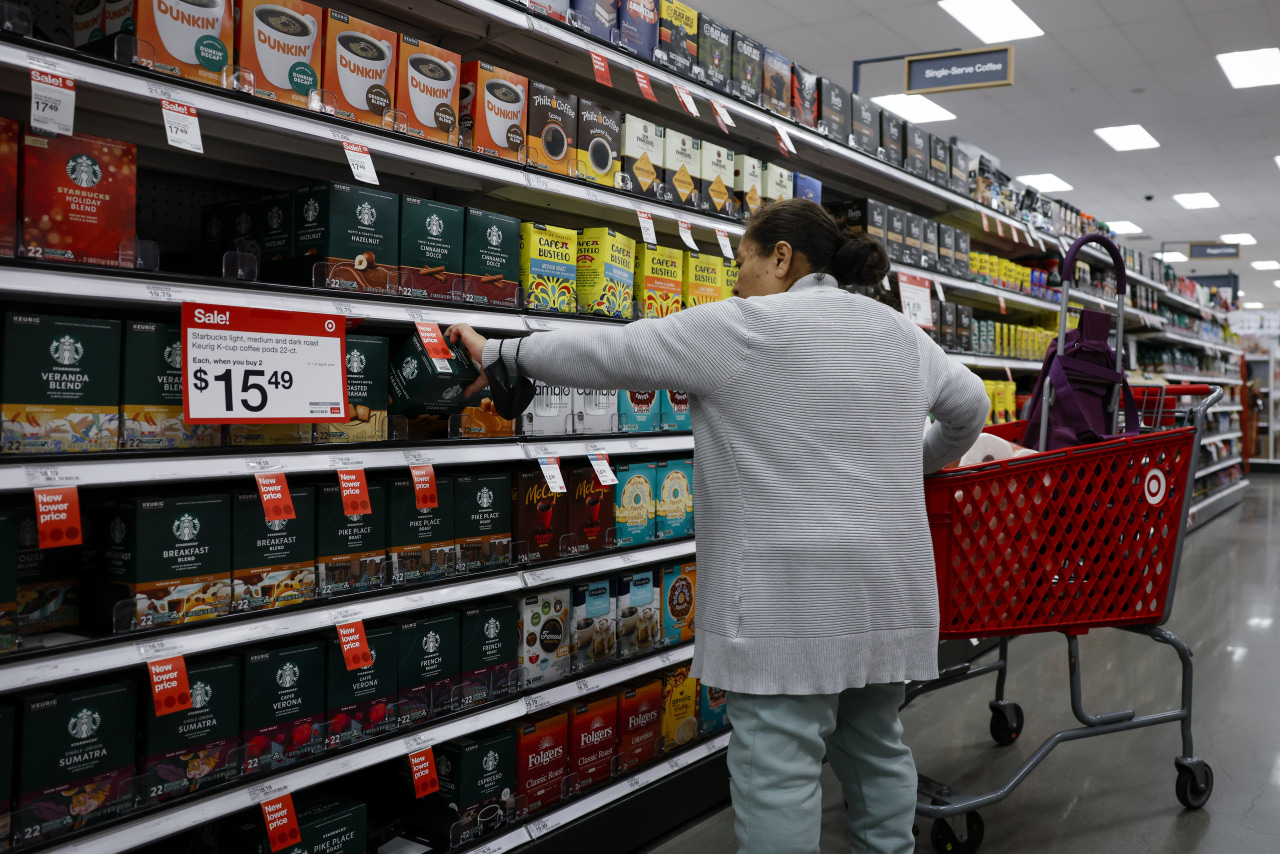
In a major policy shift to help lower everyday expenses, President Trump has rolled back tariffs on beef, coffee, and other imported essentials. This move is aimed at curbing inflation and easing the burden of rising grocery prices for American families.
How the Trump Reduction of Food Import Tariffs Impact Will Shape Affordability
- Tariff relief targets essential goods.
The rollback includes dozens of widely consumed items like beef, coffee, and fresh produce. By reducing import duties, the administration hopes to offer immediate relief on grocery store shelves. - Americans may see lower grocery costs soon.
Retailers and distributors are expected to pass on savings to consumers. As lowered tariffs take effect, families could feel the benefits in their weekly food budgets. - Boosting global food supply chains.
The tariff changes encourage greater trade cooperation with key exporter nations. This effort could stabilize supply chains and reduce sudden spikes in food pricing. - Policy aligns with inflation-fighting strategy.
By easing tariffs instead of increasing subsidies, the administration aims to tackle inflation through supply-side reforms. This approach keeps markets open and dynamic. - Support for farmers and importers.
Domestic importers stand to benefit from lower customs costs. American farmers, meanwhile, may gain from increased access to complementary goods and lower feed prices. - Markets react positively to announcement.
Food and agriculture sectors showed modest stock upticks following the news. Analysts expect long-term gains if tariff reductions remain consistent. - Potential for broader economic uplift.
With food being a major part of household spending, reduced prices may leave room for increased consumer spending in other areas. This could support economic resilience at a critical time. - Consumers gain greater choice and variety.
With lower import duties, specialty products like premium coffee and seasonal produce may become more accessible. This promotes not only savings but also variety in nutrition. - Sets a precedent for trade-based inflation measures.
If results prove successful, this model of inflation relief through tariff reform could guide future policies. It signals a shift toward cooperative trade-driven economic tools.
Why the Trump Reduction of Food Import Tariffs Impact Matters Now
As global food costs remain volatile, strategic tariff relief showcases how policy can tackle inflation at the source. This initiative points toward collaborative solutions that help households without weighing down government budgets. With ongoing monitoring, it may serve as a blueprint for future economic resilience efforts. Business owners looking to capitalize on the economic shifts brought by changes like these may want to ensure their internal processes, such as new employee onboarding paperwork essentials, are up to date to stay agile in a changing economy.