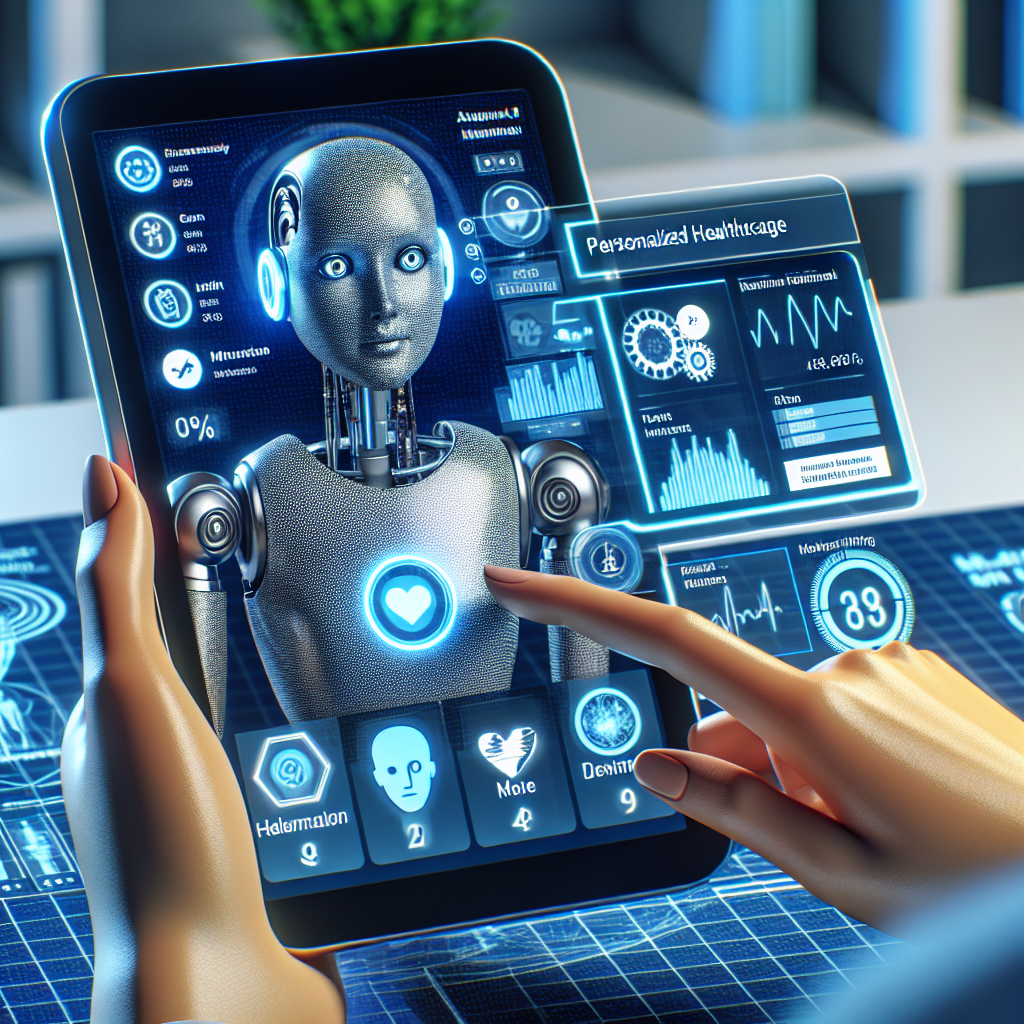
Integrating AI in personalized marketing campaigns is reshaping how health organizations communicate with patients, offering smarter, patient-centric engagement strategies. As healthcare becomes more digital, artificial intelligence enables clinics, insurers, and wellness brands to deliver targeted messages that align with individual health needs and preferences.
How Integrating AI in Personalized Marketing Campaigns Enhances Patient Experience
AI-driven marketing tools can analyze large volumes of patient data with speed and accuracy. This includes electronic health records, wearable tracker data, and online behavior. By interpreting this data correctly, healthcare providers can send tailored messages that offer relevant guidance. For example, a diabetes patient may receive timely reminders about blood sugar monitoring or diet tips personalized to their recorded patterns.
Additionally, this approach respects patients’ time. Instead of overwhelming users with generic promotions, AI filters unnecessary content. This leads to better engagement, as patients receive helpful information when they need it most. Over time, this can improve health literacy and promote proactive care choices.
Medical Benefits of AI-Powered Personalized Outreach
When used responsibly, integrating AI in personalized marketing campaigns can improve public health outcomes. Timely nudges for vaccination, screenings, or medication adherence can reduce disease risk. AI can also identify gaps in care, prompting follow-ups that doctors may not have time to manually track.
This is particularly beneficial for managing chronic conditions. Automated updates can remind patients to book regular checkups or refill prescriptions. These seemingly small prompts help avoid complications that arise from missed appointments or inconsistent treatment plans.
Risks and Ethical Considerations in AI-Based Health Marketing
Despite its benefits, using AI in health-related marketing is not without risks. One major concern is data privacy. Sensitive health data must be protected under regulations like HIPAA. Mismanagement can lead to unauthorized profiling or breaches, severely damaging patient trust.
Equally important is ethical targeting. AI should not exploit medical vulnerabilities by aggressively promoting unproven treatments or expensive interventions. Organizations should work closely with healthcare professionals to ensure content remains evidence-based and medically appropriate.
Best Practices for Integrating AI in Personalized Marketing Campaigns Safely
- Use verified health data only: Integrate data from reliable sources with patient consent and transparency.
- Collaborate with clinicians: Involve medical experts when crafting content to ensure clinical accuracy.
- Maintain transparency: Clearly inform users how AI shapes their health-related communication.
- Adjust algorithms ethically: Avoid bias by regularly auditing AI models for balanced treatment recommendations.
- Regularly evaluate outcomes: Track engagement and health metrics to confirm effectiveness and patient benefit.
Ultimately, AI should support rather than replace human healthcare interactions. When integrated thoughtfully, it acts as a powerful tool to enhance the efficiency and personalization of care without compromising safety or trust.
Healthcare organizations looking to modernize communication should consider a phased approach. Starting with reminder systems or personalized wellness tips allows for gradual integration. Over time, data can inform increasingly refined outreach strategies tailored to diverse patient journeys.