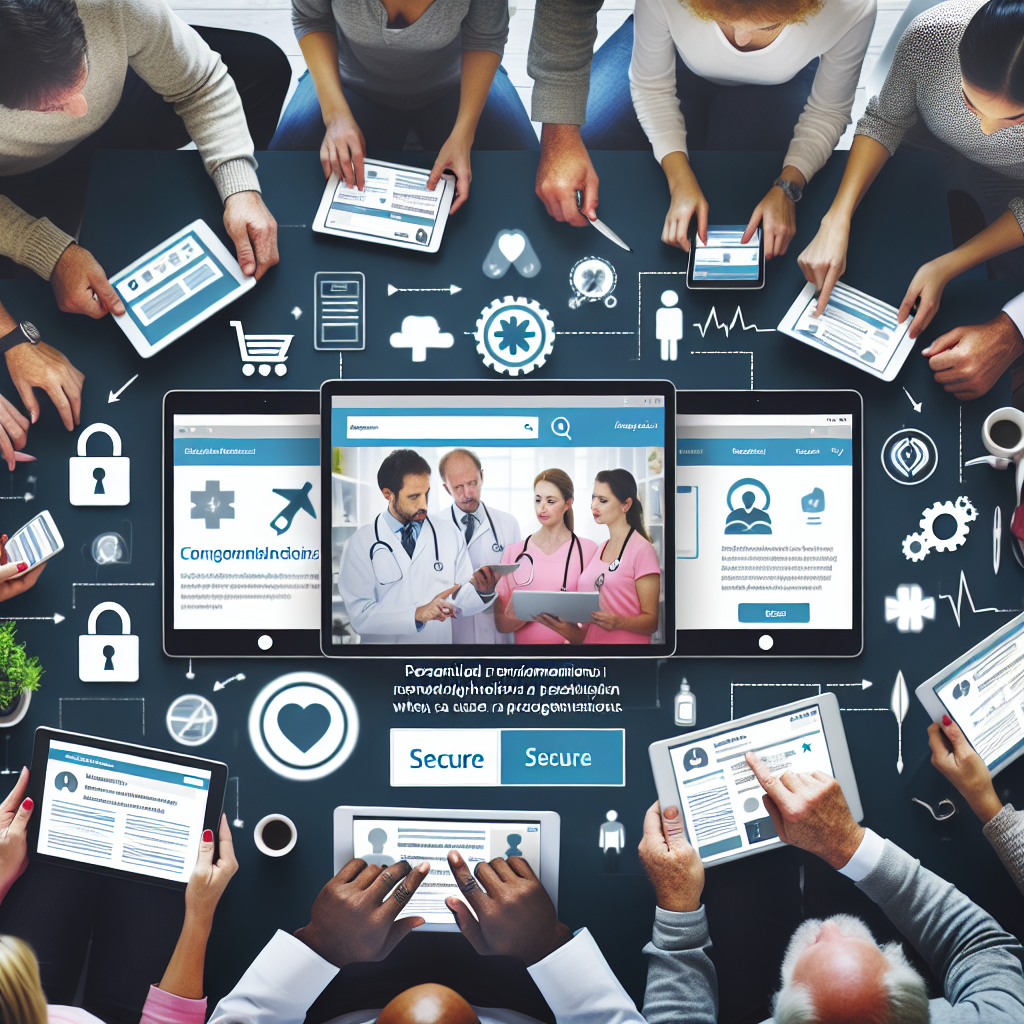
AI Driven Personalization in Digital Marketing Strategies is rapidly changing how health and wellness brands connect with consumers. By analyzing user behavior and preferences, brands can deliver tailored content that supports better decision-making around health goals. This can improve accessibility to relevant health information, foster trust, and encourage consistent engagement with digital health resources.
How AI Driven Personalization in Digital Marketing Strategies Enhances Health Support
When individuals receive health content that matches their needs, they are more likely to take positive action. AI uses data from website interactions, purchase history, and even wearable devices to predict what type of health message or product a person might benefit from. For example, someone browsing heart health supplements may later receive curated tips on low-sodium diets or stress reduction techniques. This relevance adds value without overwhelming the user.
Additionally, these strategies can promote early intervention. If a behavior pattern suggests potential health risks, such as frequent searches for insomnia remedies, personalized suggestions can include lifestyle modifications or prompts to consult a healthcare provider. This subtle guidance may help prevent worsening symptoms while respecting user privacy.
Practical Health Benefits of AI Driven Personalization
One key benefit is improved adherence to wellness plans. When users get reminders or content that aligns with their interests and current goals, they feel supported. Whether it’s staying hydrated, tracking medication, or managing mental health, personalized nudges help maintain consistency.
Moreover, AI personalization can reduce misinformation. Instead of clicking on random health claims, users are served vetted, science-backed content selected according to their profiles. This increases the likelihood of people engaging with safe, appropriate resources tailored to their unique needs.
- Custom meal planning for specific dietary needs like diabetes or veganism
- Exercise suggestions based on age, fitness level, and injury history
- Timely reminders for medication or health check-ups
Risks and Responsible Use of Personalization Tools
Despite its benefits, over-reliance on AI for health personalization can pose risks. Algorithms are only as accurate as the data they are given. A poorly trained model may propose unverified treatments or ignore important health nuances. Therefore, personalization should support, not replace, guidance from health professionals.
Privacy is another concern. Health-related data is sensitive, and users must understand how it is collected and used. Organizations must be transparent, offer opt-out options, and comply with data protection laws like HIPAA or GDPR. Misuse of data can erode trust and lead to legal consequences.
Steps for Brands to Implement Personalized Health Marketing Responsibly
- Partner with certified health professionals to vet content and ensure safety.
- Use secure platforms that respect data confidentiality and user control.
- Create dynamic messages that inform users without causing anxiety or misinformation.
- Regularly update AI models with current medical guidelines and user feedback.
In conclusion, AI Driven Personalization in Digital Marketing Strategies offers powerful tools to promote healthier lifestyles when applied thoughtfully. Personalization must remain grounded in evidence-based practices, ethical data use, and human-centered design. By doing so, brands can empower consumers while contributing to better public health outcomes.