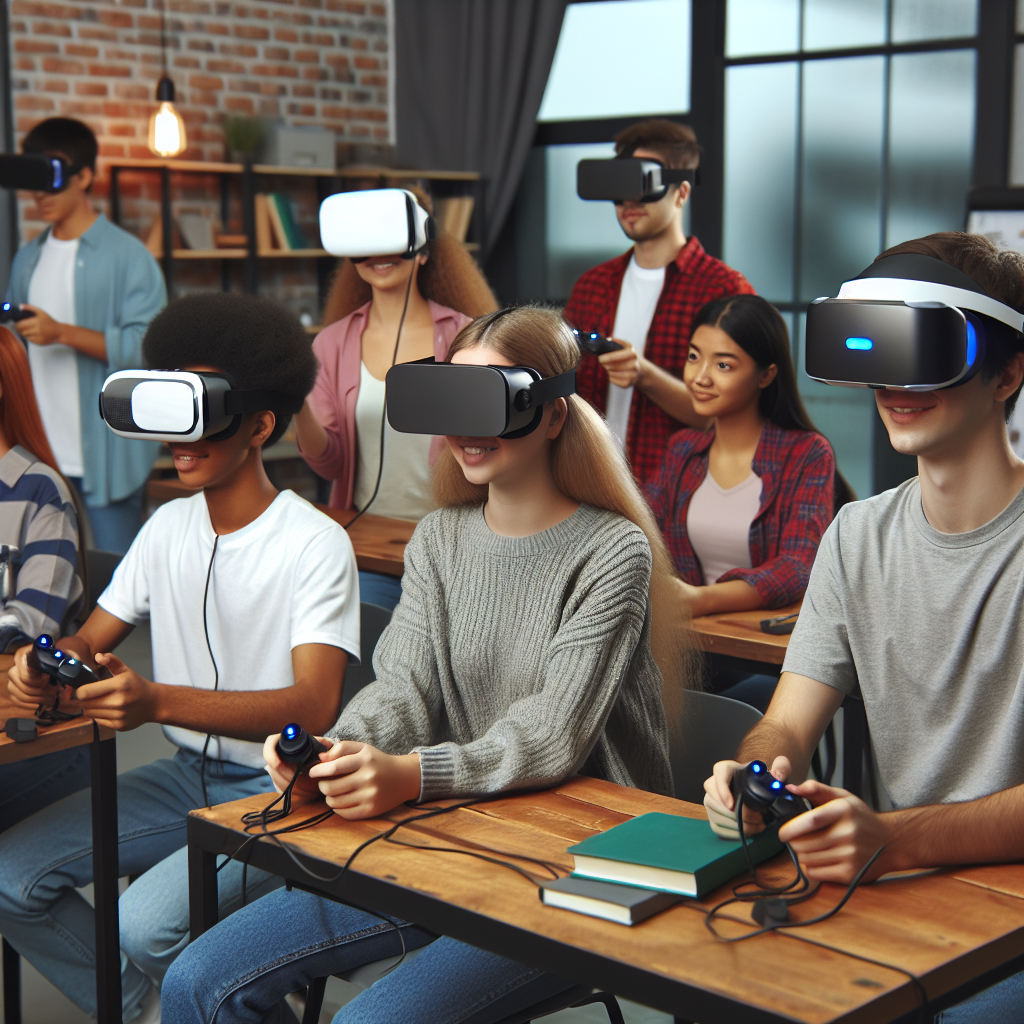
Integrating Virtual Reality in Classroom Learning Experiences is increasingly seen as a promising step toward more immersive education. As technology transforms teaching, VR tools can impact how students understand complex topics and engage with their lessons.
Health Implications of Integrating Virtual Reality in Classroom Learning Experiences
When used appropriately, virtual reality (VR) may support cognitive development and motivate learners with diverse needs. However, it’s important to monitor physical and mental effects. Extended screen time, including in VR environments, can cause eye strain or fatigue. Children in particular may experience disorientation due to developing vision systems. Therefore, educators should balance VR usage with regular breaks and varied learning methods.
There is also emerging research into how immersive environments affect stress and attention. Some students may become overstimulated, while others can benefit from increased focus in highly visual settings. It is crucial for schools to observe individual responses and adjust plans accordingly to protect student well-being.
Practical Benefits of Integrating Virtual Reality in Classroom Learning Experiences
VR has the potential to make abstract concepts easier to grasp. For example, students can explore anatomy in 3D or visit historical sites virtually. This allows for experiential learning, which can deepen understanding and retention, especially in science and history subjects. Transitioning from passive to active engagement may also help students develop problem-solving skills.
Furthermore, integrating VR can benefit learners with attention or sensory challenges. Many VR tools let educators customize content for different learning styles. While it’s not a universal solution, VR can expand accessibility when thoughtfully implemented.
Risks and Considerations for Student Health
Despite its benefits, educators should be aware of certain risks. Prolonged head-mounted display use can affect posture and create discomfort. Young users should avoid heavy or ill-fitting devices. In some cases, the immersive nature of VR may trigger motion sickness, especially in sensitive individuals.
Experts recommend that VR sessions for children remain under 20 minutes, followed by a period of rest. Regular feedback from students about their comfort can guide healthier usage habits. Additionally, cleaning headsets between uses helps prevent the spread of skin infections or respiratory germs in group settings.
Smart VR Integration Strategies in Schools
To use VR effectively, educators should start with simple applications and gather student feedback. Begin with short, guided experiences. This helps build familiarity without overwhelming learners. Training teachers to monitor student reactions can promote healthier use and support inclusion.
Schools should also maintain policies that prioritize safety and screen breaks. Including parents in planning can further protect students, especially those with medical conditions affected by screen exposure or motion. By taking a thoughtful approach, VR can be used as one of many tools to enrich education — much like how AI Driven Personalization in Digital Marketing Strategies supports tailored experiences in health communication, enhancing engagement through customization.
- Limit sessions to 15–20 minutes for younger students.
- Schedule rest periods between immersive activities.
- Ensure devices are clean and properly adjusted for each user.
- Involve medical staff in planning for special needs students.
- Support teachers with training on symptom monitoring and tech safety.
When managed mindfully, integrating virtual reality in classroom learning experiences can enrich education and support developmental goals. However, the health of students must remain a priority. With proper guidance, schools can use VR as a safe, engaging supplement to traditional instruction.