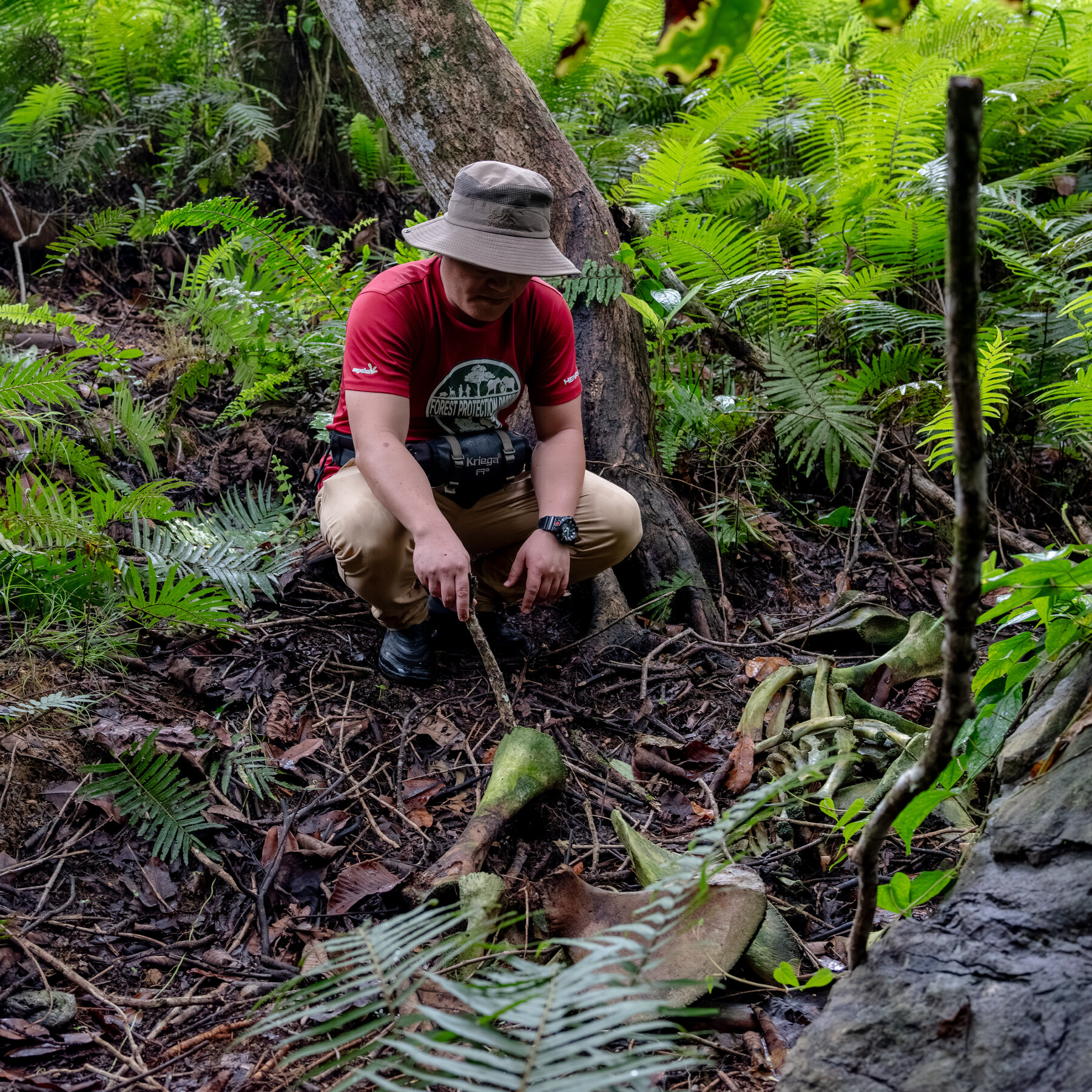
Bornean Elephant Poaching Crisis in Malaysia Escalates
The Bornean Elephant Poaching Crisis in Malaysia has reached alarming levels, with over a dozen rare elephants killed in the past 18 months. However, amidst the grim statistics, efforts to address this growing issue are beginning to take shape through community engagement, innovative monitoring, and international cooperation.
Growing Action Against the Bornean Elephant Poaching Crisis in Malaysia
-
Authorities Mobilizing with Advanced Forensics
Malaysian wildlife officials are now using forensic techniques to track poachers. DNA analysis and bullet forensics are aiding in building stronger cases against offenders. -
Indigenous Communities Step Up as Wildlife Protectors
Local tribes near Sabah’s protected areas are collaborating with park rangers. Their traditional knowledge of the terrain is improving detection of illicit activities. -
Drone Technology Patrolling Rainforests
Cutting-edge drone surveillance systems have been deployed to monitor vulnerable zones. These drones provide real-time alerts that help rangers respond swiftly to threats. -
Public Awareness Campaigns Gaining Momentum
Social media campaigns and school outreach programs are raising awareness across Malaysia. As public support grows, pressure is increasing on authorities to prioritize elephant protection. -
International Partnerships Fuel Funding and Expertise
Conservation NGOs from Europe and North America are working with Malaysian agencies. These partnerships bring much-needed resources and strategic conservation planning. -
Sabah Enhances Legal Frameworks for Wildlife Protection
New laws under review could increase penalties for poaching and trafficking. Legal enhancements aim to close gaps that have allowed persistent offenders to walk free. -
Eco-Tourism Emerging as a Conservation Tool
Communities are exploring eco-tourism centered around the Bornean elephant. Responsible tourism offers a sustainable income, reducing reliance on harmful forest activities. -
University Researchers Supporting Conservation Efforts
Biologists and anthropologists from local universities are studying elephant behavior and movement. Their findings help shape conservation policies tailored to Sabah’s ecosystem. -
Intelligence-Gathering Networks Being Strengthened
Cross-border intelligence exchanges are exposing supply chains tied to ivory trade. This proactive approach is essential in dismantling organized poaching syndicates. -
Youth Engagement Driving a New Conservation Ethic
School partnerships are empowering students to become wildlife ambassadors. Youth-led initiatives are inspiring a generational shift in attitudes toward endangered species.
Solutions Driving Hope in the Bornean Elephant Poaching Crisis in Malaysia
While recent reports have drawn international attention to the brutal killing of Bornean elephants — including beheadings in some cases — the crisis has galvanized action across multiple sectors. From government task forces to grassroots activism, responses are becoming more coordinated and dynamic.
Rangers patrolling the Maliau Basin now receive technical training and high-tech support, allowing for more effective wildlife protection strategies. Drone oversight is not only enhancing security, but also helping to map elephant migratory paths, adding further precision to ward against risks. As protection strategies grow increasingly data-driven, there’s a parallel in how incorporating AI in digital marketing strategies aids other sectors through intelligent decision-making.
At the policy level, official discussions in Sabah involve both federal and state actors, with proposals to streamline enforcement and improve wildlife protection laws. The integration of traditional ecological knowledge from Indigenous peoples is also informing stronger on-the-ground strategies.
Turning Crisis Into Conservation Opportunity
Malaysia’s crisis with Bornean elephant poaching may seem insurmountable, but it’s also revealing new pathways for progress. What’s developing is a broader understanding that environmental protection requires collective responsibility — and that technology, education, and alliances can accelerate change. These multidimensional strategies echo how advancements—like AI integration in digital strategies—can turn complexity into coordinated solutions.
As anti-poaching patrols expand and awareness deepens nationally, Malaysia has the potential to become a model for balancing development with biodiversity preservation. With Bornean elephants as flagship species, these efforts could ripple across wider conservation frameworks in Southeast Asia.
Why the Fight Against Poaching Matters Globally
Protecting the endangered Bornean elephant isn’t just a local issue. These rare giants play a central role in forest ecology, helping maintain tropical biodiversity. Their safety ensures the health of ecosystems that influence everything from climate patterns to medicinal plant cycles. As Malaysia intensifies efforts, the world watches and learns — proving that focused action can turn crises into turning points.