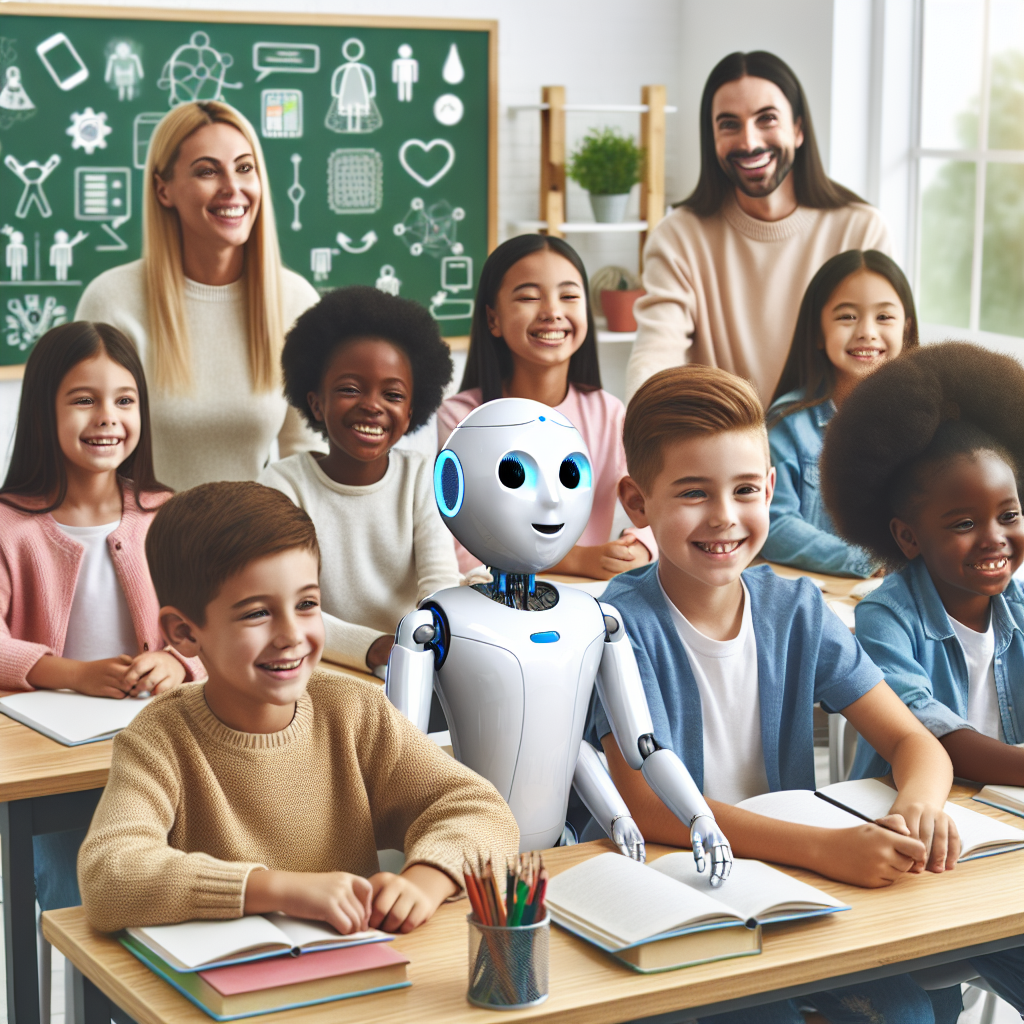
Effective AI-Driven Classroom Teaching Strategies are transforming how students learn and teachers deliver education. With education evolving rapidly, schools are turning to artificial intelligence for personalized learning and improved outcomes. However, integrating AI in the classroom also raises important health, ethical, and practical concerns that educators must address thoughtfully.
How Effective AI-Driven Classroom Teaching Strategies Improve Learning and Wellness
AI-powered tools can enhance both academic achievement and student well-being. By analyzing student performance data, AI platforms offer tailored content that meets each learner’s pace. This personalization helps reduce frustration and academic stress, creating a more positive learning environment.
Teachers also benefit. AI handles repetitive tasks like grading and attendance, allowing educators more time for student interaction. This reduces teacher burnout, a growing concern that impacts classroom health and morale. Studies suggest that early AI adopters report improved teacher satisfaction and more time for customized instruction.
Balancing Benefits and Risks of Effective AI-Driven Classroom Teaching Strategies
While AI can personalize learning, over-reliance might decrease face-to-face communication. Social interaction is crucial to emotional development and classroom health. Therefore, teachers should combine AI tools with group discussions and real-world collaboration exercises.
Data privacy is another consideration. AI tools often collect sensitive information. Schools must ensure these platforms follow strict data protection practices. Informed consent, transparent data usage, and secure storage systems are essential safeguards.
Moreover, not all students respond equally to AI-based learning. For some, screen-heavy sessions could lead to eye strain or fatigue. Teachers should structure schedules to include regular breaks and encourage movement to support both concentration and physical health.
Practical Tips for Implementing AI in the Classroom Responsibly
- Start Small: Begin with one AI-based tool, such as adaptive quiz generators or smart homework trackers, and gauge its impact.
- Maintain Human Interaction: Combine AI instruction with traditional methods to preserve emotional and social learning opportunities.
- Monitor Student Feedback: Regularly check in with students to assess their comfort, stress levels, and engagement.
- Ensure Screen Time Limits: Follow pediatric guidelines recommending breaks every 20 to 30 minutes of screen use in classrooms.
- Prioritize Inclusivity: Choose AI tools that accommodate diverse learning needs, including language support and accessibility options.
Supporting Mental and Physical Health Through Thoughtful AI Use
Teachers should assess how AI impacts student behavior and mental health regularly. If anxiety or disengagement increases, adjustments may be necessary. Strategies like mindfulness breaks or outdoor activities can help maintain balance.
Educators must also model healthy tech habits. When students see teachers balancing technology with meaningful interaction, they are more likely to adopt a healthy approach themselves. Encouraging routines, sleep hygiene, and offline projects further supports a well-rounded learning experience.
In conclusion, integrating Effective AI-Driven Classroom Teaching Strategies offers many benefits when implemented with care and balance. With the right approach, AI can be a supportive tool that enhances both learning and health in modern classrooms. This thoughtful integration mirrors the approach seen in Interactive Digital Marketing Strategies for Small Businesses, which also prioritize technology use while supporting well-being and connection.