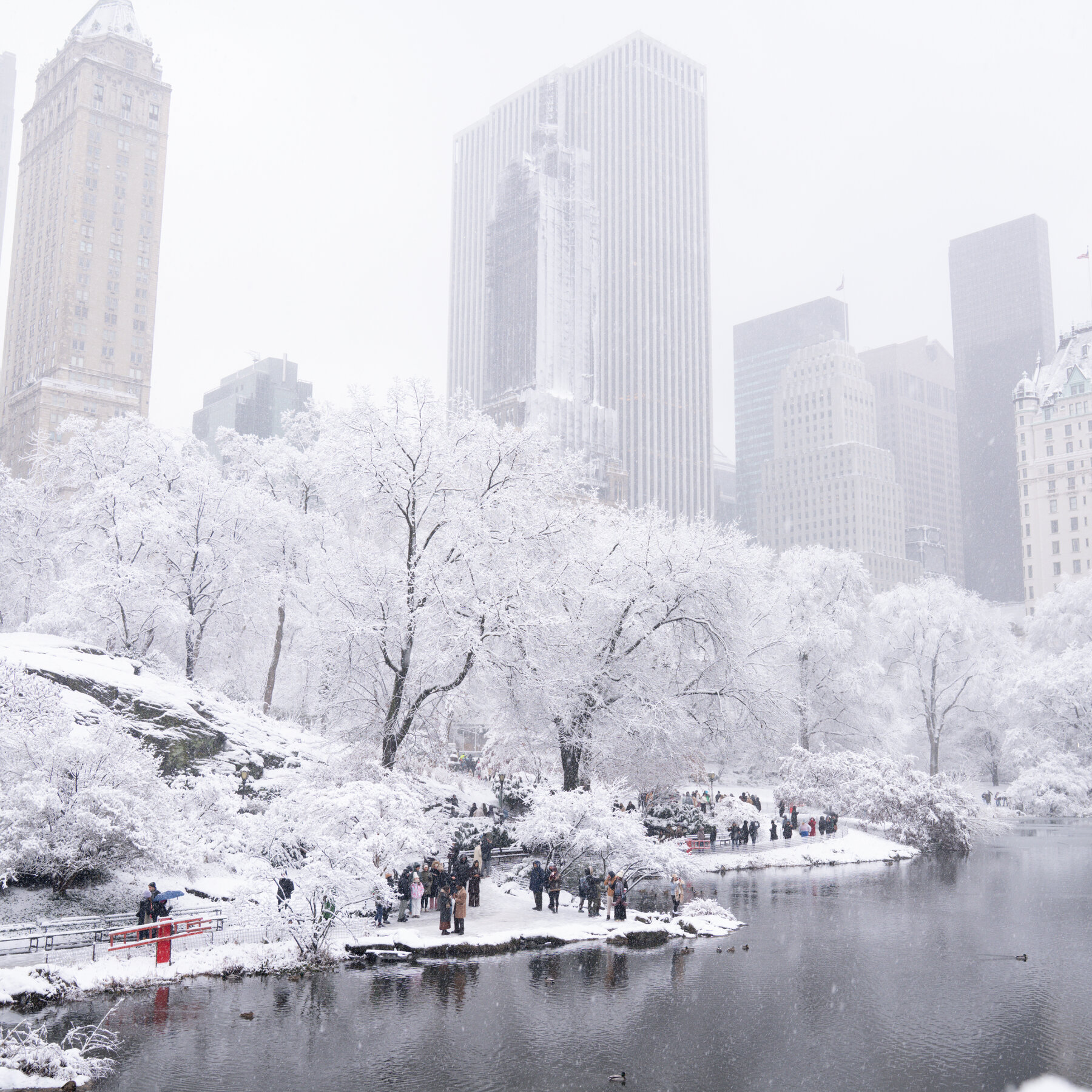
Early Season Snowfall Impact on New York City Economy
The early season snowfall impact on New York City economy is shaping up to be both a logistical challenge and a surprising spark for local businesses. As the city experienced its heftiest December snowfall since 2018, economic ripple effects are quickly emerging — from transit to tourism. This winter spectacle has delivered more than just snow; it’s offering rare opportunities for early economic activation across sectors.
How Early Season Snowfall Impact on New York City Economy Signals Shifts
- Tourism sees an early uptick: Central Park received 2.7 inches of snow by Sunday afternoon, enticing photographers and families alike. Local attractions and hospitality services reported increased foot traffic and booking interest, creating a welcome boost ahead of the year-end holidays.
- Retail weather-adaptive sales surge: Retailers across Manhattan experienced a spike in winter apparel and snow gear sales over the weekend. Small businesses, especially independent clothing boutiques, moved seasonal inventory quicker than forecasted due to the cold snap. Register your business on the Shop Small Map today to boost visibility during seasonal shifts like these.
- Public transit adapts quickly: The MTA responded proactively with additional crews to maintain rail service during icy conditions. Early season preparedness helped prevent widespread delays, keeping commuter confidence high and weekday routines stable.
- Snow removal boosts local employment: The city’s sanitation department fast-tracked temporary hires to handle snow plowing and salting. These seasonal openings offer short-term employment opportunities, especially for those in hospitality or gig roles seeking extra income.
- Localized events pivot and thrive: Outdoor markets and community events adapted by adding heated tents and snow-ready walkways. Instead of cancellations, many saw increased attendance, as snowy backdrops drew crowds seeking festive photo opportunities.
- Energy usage remains manageable: Despite the cold, utility companies reported no major outages. Smart grid investments and community reminders about energy-saving practices kept demand in check, avoiding the cost surges seen in past winters.
- School systems remain agile: NYC public schools stayed open while offering virtual options for students in harder-hit boroughs. This blended approach minimized disruption for working parents and helped maintain educational continuity.
- Delivery services get innovative: With snow complicating street access, local delivery platforms tested sidewalk robot couriers and new route algorithms. These innovations are improving efficiency and could carry benefits well beyond the storm.
Early Season Snowfall Impact on New York City Economy Creates Surprising Opportunities
Snow Patterns Could Reshape Seasonal Business Strategy
As New York City adjusts to an unusually early snowfall, industries are starting to review their seasonal preparedness calendars. For example, businesses operating in tourism, delivery logistics, and public events are using this early storm as a rehearsal for intensified winter activity. Those with flexible infrastructures, predictive planning tools, and smart staffing saw fewer disruptions.
With climate researchers predicting that northeastern snow events may start earlier and occur more intensely, this year’s snowfall could push several industries to invest in upgraded operations software or weather-dependent promotional strategies. That’s especially true for retail and entertainment companies focused on optimizing revenue across short holiday seasons. Many of these brands are exploring smarter outreach methods — not unlike how AI driven personalization in digital marketing strategies helps tailor engagement.
Community Spirit and Local Business Now Go Hand in Hand
Neighborhoods in Queens, Brooklyn, and upper Manhattan reported high engagement after the storm, with residents shopping closer to home rather than traveling downtown. Business Improvement Districts (BIDs) reported brisk weekend activity in snow-friendly cafés and bookstores. This shift to local support highlights a trend in microeconomic resilience during unseasonable weather.
At the same time, community organizations doubled down on outreach — offering warm clothing and hot meals to individuals in need, with the help of private sponsors and nonprofit volunteers. This cooperation between civil and commercial entities reinforces how the early snow amplifies both socioeconomic and business-level cohesion in urban areas.
Looking Ahead: Winter Forecast Contributes to Economic Planning
According to the National Weather Service, the early-season system may be a precursor to a longer-than-average winter. Businesses that experienced strong sales over the snowy weekend are beginning to adjust inventory and staffing for the sustained activity. Seasonal income that normally peaks in January could see an earlier surge if snow continues through December.
For city officials and economic analysts, this event offers concrete data about consumer behavior immediately following major weather impacts. It also allows for trialing new municipal tools like AI-driven salting routes and commuter response alerts. These smart city features might pave the way for lower costs and greater efficiency during peak winter operations.
Closing Thoughts: Turning Snow Into a Strategic Asset
While any early storm presents logistical hurdles, the early season snowfall impact on New York City economy is proving to be more of a stimulus than a setback. From strengthening local commerce to pushing digital innovation, this weather shift is spurring change across diverse sectors. As we look to future winters, the storm is a timely reminder that resilience, adaptation, and timing can turn even cold weather into warm opportunities.