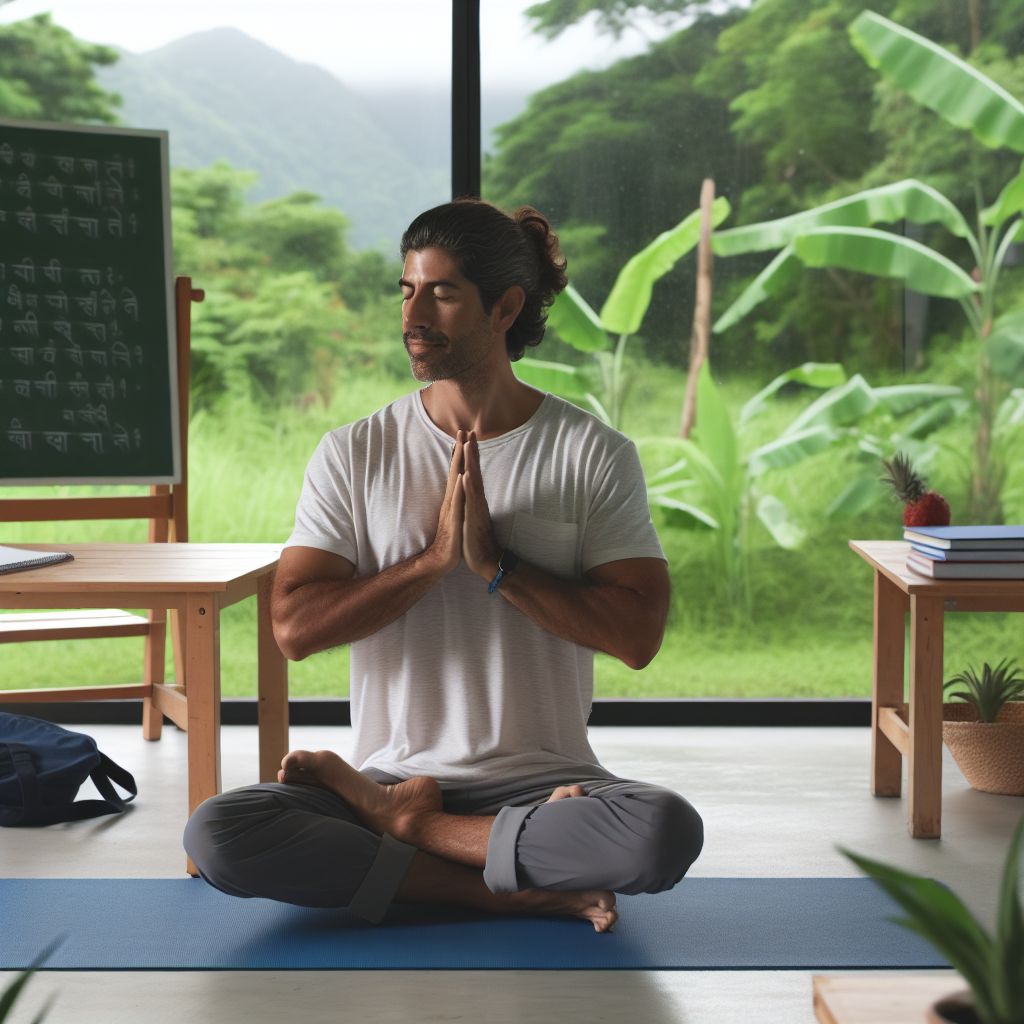
Mindfulness techniques for enhancing teacher wellbeing are becoming increasingly essential as educators navigate heavy workloads, emotional fatigue, and constant demands. While teachers strive to support students, their own mental and physical health often gets pushed aside. Practicing mindfulness can help educators create healthier boundaries, reduce stress, and refocus on what truly matters in their professional and personal lives.
How Mindfulness Improves Overall Teacher Health and Resilience
Teaching is more than lesson plans and grading—it involves emotional presence, adaptability, and sustained attention. These daily demands can contribute to elevated stress, burnout, and in some cases, anxiety or sleep disruption. Mindfulness provides teachers with practical tools to manage their mental and physical health more effectively.
Practicing mindfulness has been shown to reduce cortisol levels, the hormone linked with stress. In turn, this can lead to better sleep, improved focus, and lower emotional fatigue. When teachers engage in mindfulness techniques regularly, they increase their ability to respond calmly under pressure. Over time, these small shifts can support better classroom management and more positive relationships with students and colleagues.
Additionally, mindfulness can improve immune function and lower the risk of chronic illness over time. Although not a cure-all, cultivating present-moment awareness can have lasting effects on long-term wellness when paired with a healthy lifestyle.
Simple and Practical Mindfulness Techniques for Enhancing Teacher Wellbeing
Mindfulness does not require extended retreats or complicated rituals. Many techniques can be done in just a few minutes per day, making them realistic for busy educators. Here are some practical suggestions you can use before, during, or after school hours:
- Breath awareness: Take five deep, intentional breaths before entering a classroom or starting a meeting. This short reset calms the nervous system and helps center your attention.
- Body scan: Once or twice a day, take two minutes to scan your body—starting from the top of the head and slowly moving to your toes. Notice and release any areas of tension.
- Anchor moments: Choose one daily activity, like drinking morning coffee or walking between classrooms, to do with full presence. Avoid multitasking during this time.
- Mindful listening: During conversations with students or peers, focus entirely on the speaker’s words, tone, and body language. This fosters empathy and reduces reactive responses.
- Gratitude journaling: At the end of your workday, jot down three small things that went well. Even on tough days, acknowledging positives can shift mindset and boost morale.
These strategies can be used individually or combined depending on your preferences. You don’t need to be perfect—consistency and curiosity matter more than flawless execution.
Creating a Mindful School Culture Supports Lasting Wellbeing
Although personal mindfulness practice is beneficial, its impact increases when supported by school-wide culture. Administrators can promote wellbeing by allowing short mindfulness breaks during meetings or scheduling “quiet rooms” where teachers can regroup during stressful days. When schools value self-regulation and mental health, the benefits ripple outward to both staff and students.
Peer support also plays a role. Colleague-led mindfulness groups, even informal five-minute meditations before the first bell, can encourage connection and mutual encouragement. Regularly checking in with coworkers about self-care creates a stronger sense of community and shared purpose.
Possible Considerations and Health-Smart Guidelines
While mindfulness techniques for enhancing teacher wellbeing are generally safe, it’s important to be aware of a few considerations. For individuals with a history of trauma, some mindfulness practices—especially those involving body awareness—may trigger discomfort. Working with a trained mindfulness facilitator or counselor can help adapt practices appropriately.
Furthermore, mindfulness is not a replacement for professional mental health support. If you are experiencing ongoing anxiety, burnout, or depression, it’s essential to seek guidance from a qualified healthcare provider. Mindfulness works best as a complementary tool within a broader self-care plan.
Start small. Rather than overhauling your routine, introduce one or two mindfulness strategies that feel approachable. As you become more comfortable, you can build from there. Keep in mind that mindfulness is not about achieving perfection—it’s about creating space for self-awareness, compassion, and healthy responses.
Building Confidence and Presence Through Mindful Living
Teachers who practice mindfulness often report feeling more grounded, calm, and present. These traits not only benefit their own wellbeing but also influence how students experience learning. A calm teacher can help create a safe and focused classroom environment, making it easier for students to thrive.
As with physical fitness, mental fitness improves over time with regular effort. Even five minutes a day can lead to meaningful change. The most important step is starting. Choose a technique that resonates with you, commit to a small daily practice, and notice how it supports both your work and personal life.