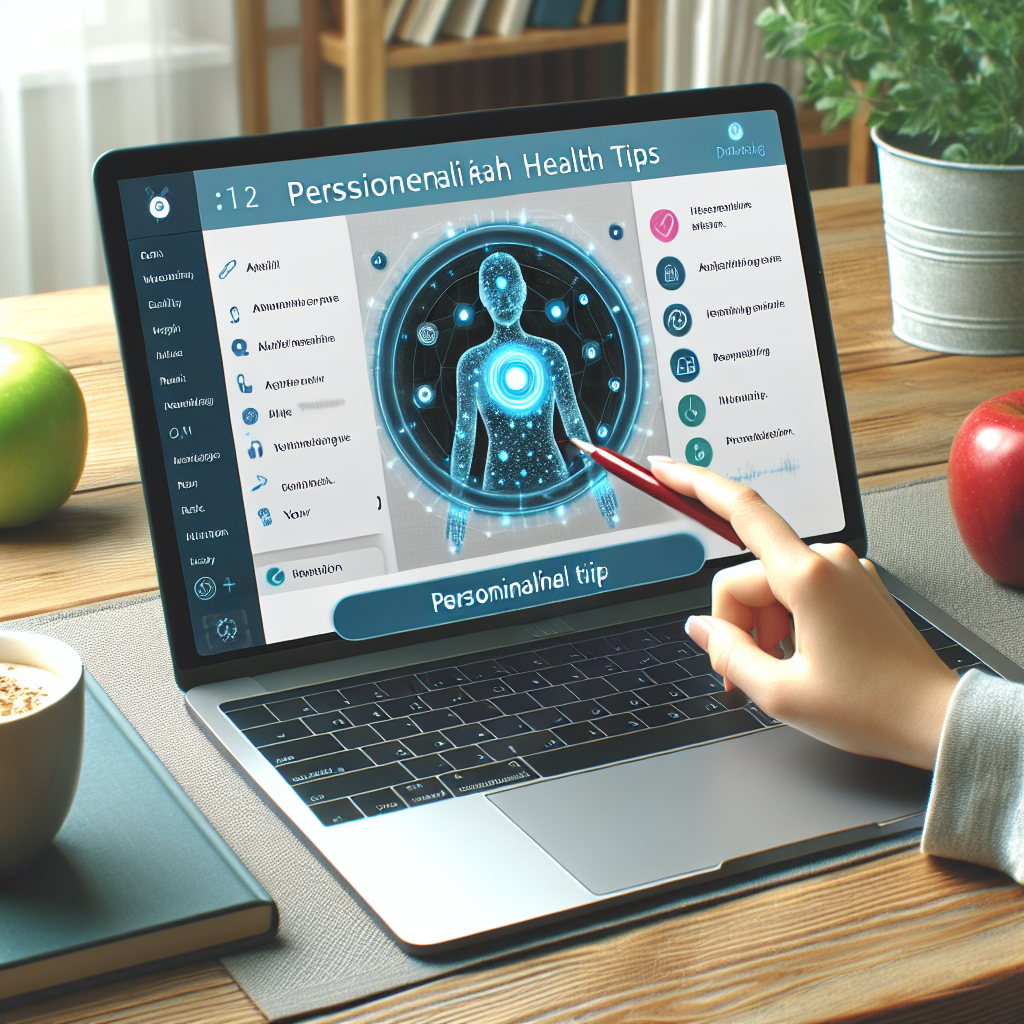
Incorporating a predictive AI content strategy for marketing is quickly becoming a game-changer for health brands seeking measurable results. By leveraging data-driven insights and machine learning, marketers can now anticipate consumer behavior, tailor messaging in real time, and improve engagement across wellness campaigns. But how does this approach actually support smarter marketing decisions, and what should health-focused businesses know before diving in?
How Predictive AI Content Strategy for Marketing Aligns with Health Goals
Health and wellness industries thrive on trust, accurate information, and timely messaging. Predictive AI supports these needs by analyzing past user behaviors, seasonal trends, and real-time interactions to create content that resonates with individual readers. For example, during flu season, AI tools can forecast spikes in search queries or symptom-related content, allowing marketers to publish relevant advice before demand peaks.
This kind of forecasting capability is invaluable. It enables wellness companies to not only stay ahead of competitors but also serve their audience when they’re most vulnerable or seeking help. Predictive analytics enhances user trust because responses appear timely, personalized, and helpful, which strengthens the overall brand relationship.
The Role of Predictive AI Content Strategy for Marketing in Health Campaigns
One of the most compelling advantages of predictive AI is its ability to refine audience targeting without increasing marketing budgets. Machines can identify subtle patterns in how people search for health solutions, whether it’s a high-fiber diet, lower cholesterol, or managing chronic conditions like diabetes. Once these patterns are recognized, future content can be created to match intent.
For instance, if a supplement company knows that users frequently research “natural immune boosters” in late autumn, predictive tools guide the creation of blogs, videos, and social posts aligned to that topic before the surge. This predictive timing ensures content is indexed and ready when interest peaks, maximizing visibility and engagement.
In this way, predictive marketing serves more than just clicks. It allows health brands to play a more proactive, supportive role in user well-being. Providing timely, evidence-based resources can drive better health literacy and outcomes over time.
Realistic Benefits for Health-Focused Brands
While the technology is powerful, it’s essential to focus on real-world benefits. Here are several advantages health marketers can expect from a predictive AI content strategy:
- Improved Content Relevance: Deliver articles and updates that directly reflect what your audience is searching for at the right time.
- Higher ROI on Health Campaigns: Predictive targeting helps reduce wasted ad spend and increases the effectiveness of SEO-driven efforts.
- Enhanced User Engagement: By anticipating needs, you build stronger engagement with content that seems custom-made for the user.
- Smarter Resource Allocation: Teams can prioritize high-opportunity content and delay investment in underperforming areas.
As an example, consider a mental health app anticipating a spike in searches around “seasonal depression” in winter months. Armed with predictive data, the team can schedule workshops, write holistic care articles, and roll out push notifications ahead of time, meeting user needs without scrambling last-minute.
Important Risks and Ethical Considerations
While the benefits are considerable, predictive AI isn’t without potential drawbacks, especially in health marketing. Accuracy of predictions depends heavily on the quality of data being used. If datasets are biased or inadequate, content strategies could misfire or exclude certain user groups unintentionally.
Privacy is another key concern. Many predictive models rely on user behavior, search history, or demographic details. For health brands, it’s critical to comply with laws like HIPAA or GDPR and ensure all data is handled ethically. Transparency about how data is used builds trust and reinforces your brand’s credibility.
Additionally, over-reliance on AI predictions can reduce human oversight. While automation can streamline processes, a human health professional should always fact-check content, especially in sensitive areas like treatment recommendations or symptom evaluation. Forward-thinking policies, such as Global AI Diplomacy Strategies for Policy Harmonization, can help shape safer frameworks for using predictive tools in healthcare.
Practical Steps to Implement Predictive AI in Your Strategy
Adopting a predictive AI content strategy for marketing doesn’t require a complete overhaul. Here’s how to ease into it:
- Define Clear Health Objectives: Know whether you’re aiming to boost patient education, drive sign-ups for a wellness program, or improve product sales.
- Choose the Right Tools: Platforms like SEMrush, Clearscope, or MarketMuse use predictive AI in content planning. Select ones that support your goals and are compliant with health industry standards. You can also look to international coordination efforts like Global AI Diplomacy Strategies for Policy Harmonization to ensure your approach aligns with broader ethical principles.
- Start Small: Pilot the strategy with a single topic or campaign. Track results, learn from them, and scale what works.
- Involve Experts: Collaborate with health professionals to develop content that aligns with both user interest and medical accuracy.
The key is to treat AI as a collaborator, not a replacement. Human experience and professional healthcare insights ensure the message remains safe, informative, and truly helpful.
Conclusion: Achieving Smarter Health Marketing with Predictive AI
Using a predictive AI content strategy for marketing can significantly enhance how health organizations engage with their audience. By anticipating needs and trends, brands can present more timely, relevant content that supports healthier decisions. However, ethical use of data, continued human oversight, and a commitment to accuracy remain non-negotiable. When balanced well, predictive AI can augment your content, not just optimize it, making your health outreach more responsive and impactful overall.