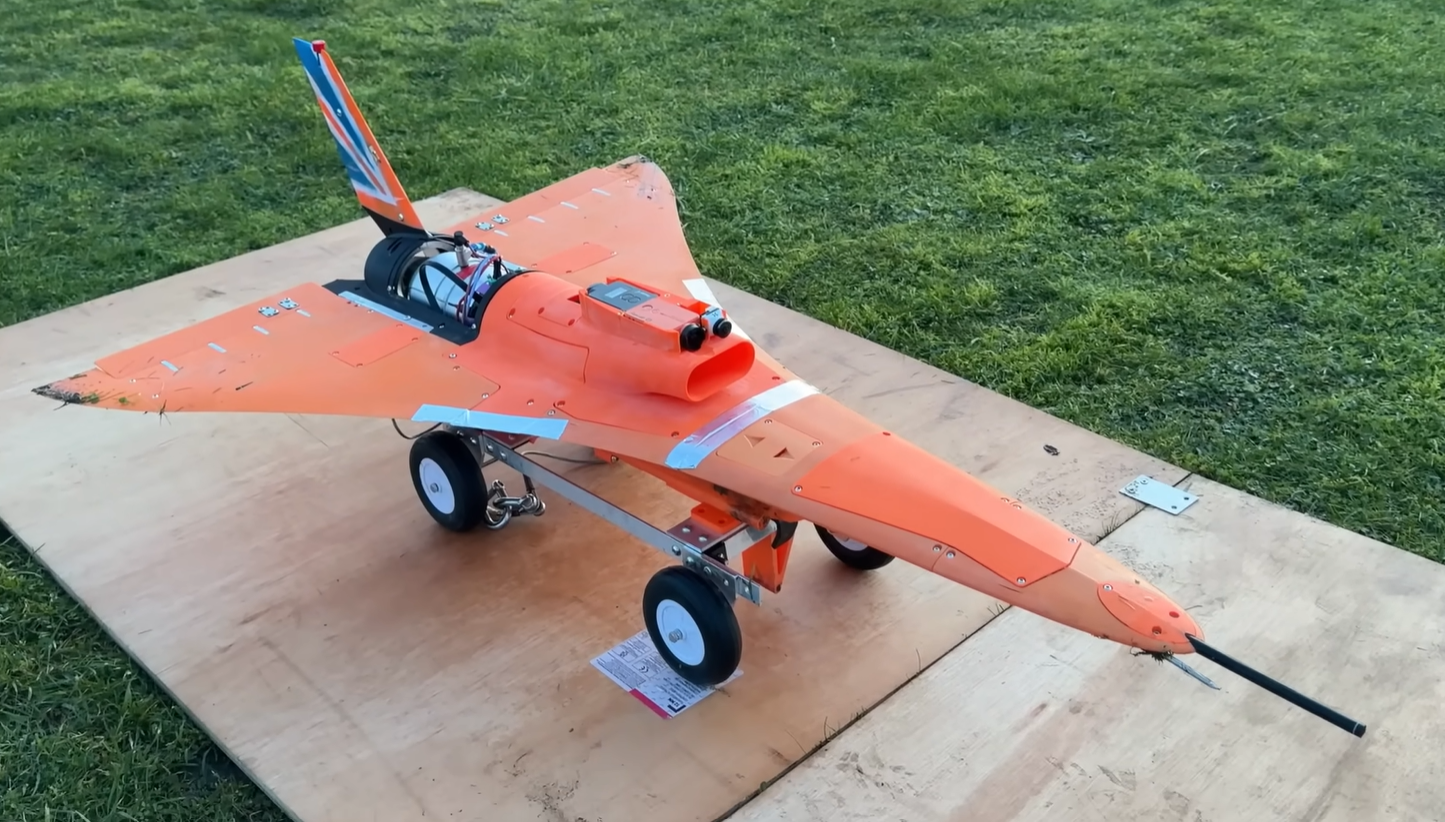
3D Printed Jet Turbine Model Aircraft Innovations Soar
A groundbreaking achievement in 3D printed jet turbine model aircraft innovations is taking the spotlight. Spearheaded by a team of graduates, their latest creation, the Kingchaser, is poised to challenge existing speed records.
- Innovation in Materials: The Kingchaser is constructed using advanced materials like PETG, PPS-CF, and carbon-fiber rods. These materials contribute to better performance and durability, paving the way for future aircraft designs.
- Targeting World Records: The team aims to break the existing world speed record for model aircraft. The goal is to reach Mach 0.8, a feat that could set new benchmarks in the industry.
- From Prototype to Perfection: The journey began with a smaller prototype named Kinglet. It used an Electric Ducted Fan, allowing the team to refine their design efficiently.
- Enhanced Engineering: The Kingfisher followed, showcasing a jet engine’s capabilities. Although not intended to break records, it laid the groundwork for the next iteration.
-
3D Printed Jet Turbine Model Aircraft Innovations Propel Progress
The Kingchaser, 20% larger than its predecessors, underwent significant design enhancements. This includes the use of PPS-CF and titanium exhaust sheets to withstand the engine’s heat.
- Advanced Avionics: A dedicated avionics system collects extensive telemetry. The inclusion of an FPV system enhances piloting accuracy at high speeds.
-
3D Printed Jet Turbine Model Aircraft Innovations Spark Collaboration
These innovations highlight the potential of collaborative efforts in engineering, demonstrating what can be achieved with teamwork and creativity.
- Engineering Expertise: The team optimized the aircraft structure, replacing aluminum with carbon-fiber rods to reduce weight while maintaining strength.
- Future Prospects: While the exact date for the record attempt remains undecided, the ongoing developments promise exciting possibilities in aviation technology.
- The Bigger Picture: As The Mach Initiative progresses, its efforts contribute to broader advancements in aerospace engineering, offering significant implications for the future of transportation innovation.