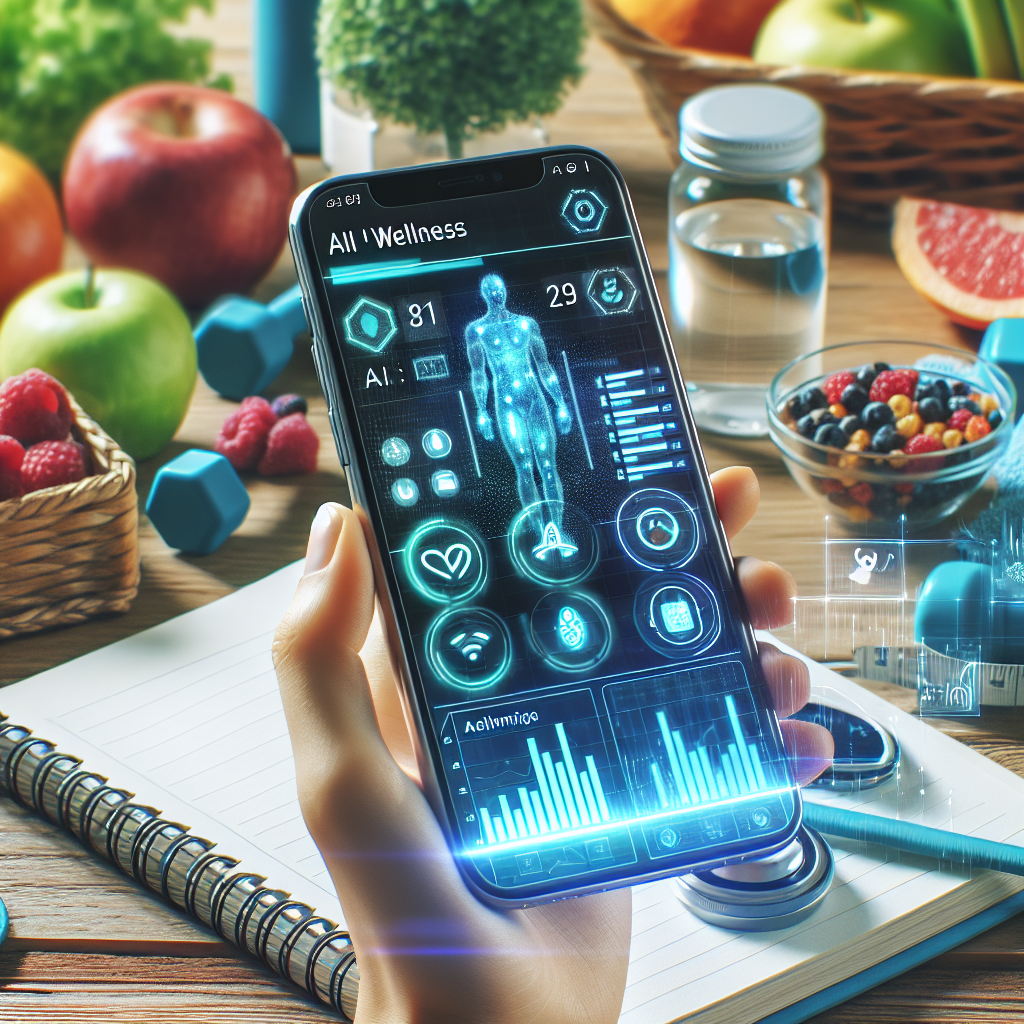
Understanding your customers is more important than ever, and AI-Powered Consumer Behavior Analysis Tools are changing the game for businesses aiming to make smarter decisions. These tools offer a clear window into what people want, how they shop, and why they make the choices they do. But it’s more than just marketing. Tracking behavior patterns can have ripple effects on wellness trends, health-conscious buying, and even mental health awareness through lifestyle data.
Why AI-Powered Consumer Behavior Analysis Tools Are Shaping Health Trends
Today’s health-conscious world is shaped by fast-moving trends, digital recommendations, and personalized online experiences. Whether it’s fitness routines, supplement choices, or plant-based eating, consumers reveal a lot about their health priorities through habits and clicks. AI-powered consumer behavior analysis tools sift through online interactions, purchase history, and content engagement. This allows brands to respond quickly with tailored products and services that align with ever-changing wellness needs.
For example, if a spike in searches for “low-sugar snacks” is detected, food brands can adjust their offerings or shift advertising strategies. Similarly, when shoppers abandon carts with certain supplements, it may signal pricing concerns, lack of trust, or confusion about ingredients. With these insights at hand, companies can make informed changes that end up benefiting consumer health outcomes and satisfaction.
How These Tools Support Health-Focused Businesses
AI-powered consumer behavior analysis tools aren’t just for big tech companies. Health brands, fitness apps, and even small wellness startups are using them to fine-tune offerings. Here are a few ways they make a difference:
- Personalized Health Recommendations: By analyzing lifestyle patterns, these tools help deliver customized advice, such as tailored meal plans or workout routines.
- Better Product Development: With trend data at their fingertips, brands can design products that respond to real-time health concerns and consumer preferences.
- Improved Communication: Language tone, preferred content formats, and timing of emails or app notifications can be adjusted based on behavioral insights.
Take a meditation app, for example. By identifying when users are most stressed through interaction patterns, the app can suggest calming exercises at the right moment. This kind of responsiveness not only supports mental well-being but also boosts user engagement and trust. It’s a strategy similar to Teacher Wellbeing Strategies for Post-Pandemic Resilience, where timing and relevance significantly enhance impact.
Top-Rated AI-Powered Consumer Behavior Analysis Tools for Health Insights
When selecting the right tool, consider your business size, goals, and how directly you relate to health and wellness. These top AI-powered consumer behavior analysis tools have proven especially useful for health-minded brands:
- Google Analytics 4 + AI Add-ons: With its event-based tracking and integration options, GA4 can be enhanced with machine learning tools to predict user behavior and personalize site experiences.
- PaveAI: This platform turns Google Analytics data into plain-language reports using AI, making it easier for non-technical health professionals to draw useful conclusions.
- Quantcast: Known for its real-time insights, Quantcast helps health advertisers target specific audiences concerned with wellness topics like nutrition, mindfulness, or chronic condition prevention.
- Hotjar + AI Layering: Combining behavior tracking with AI-powered session analysis, Hotjar reveals emotional responses and browsing patterns useful for optimizing digital health tools.
- Crimson Hexagon (now part of Brandwatch): Social listening with AI lets health brands tap into honest consumer conversations, identify emerging health sentiments, and adapt accordingly.
Each tool offers different strengths. While some excel in predictive analytics, others shine in user journey mapping or sentiment detection. Before choosing, think about what kind of data will most benefit your health product or service, whether that’s click-through trends, conversation topics, or retention triggers.
Balancing Privacy Concerns with Health Usefulness
As promising as AI-powered tools are, they come with important ethical considerations. Health data is deeply personal, and consumers are increasingly wary of how their online behavior is tracked. Transparency, secure data handling, and user consent are critical. Businesses must walk the line carefully between offering personalized wellness support and respecting privacy boundaries.
That means choosing tools that comply with data protection regulations like HIPAA or GDPR, especially if your platform deals with sensitive health-related behavior. Many platforms now offer anonymized behavioral insights or aggregate-level reporting to balance user protection with meaningful business guidance.
Real-World Health Impact Through Better Decision-Making
When used responsibly, AI-powered consumer behavior analysis tools lead to more empathetic and effective services. Health brands can intentionally meet people where they are, instead of relying on guesswork. For consumers, that translates to fewer irrelevant ads, more trustworthy information, and smoother access to products that actually support their goals.
Consider a digital pharmacy noticing a drop in users refilling prescriptions for blood pressure medications. An analysis might reveal that users abandon the app after struggling with account setup. Addressing this usability issue could help reduce lapses in medication adherence, which directly impacts long-term health outcomes. Similar behavior-based change strategies have proven useful in other sectors, much like the efforts made in post-pandemic wellbeing strategies to improve both engagement and health outcomes.
Harnessing AI to Build Healthier Consumer Relationships
At the end of the day, AI-powered consumer behavior analysis tools are most powerful when paired with authentic human intent. They aren’t about manipulation or mind-reading. Instead, they offer clarity about what people need and how to serve them better—especially in health and wellness spaces where trust and understanding matter most.
If you’re in the health industry and looking to stay relevant, these tools are no longer optional. They are essential for interpreting behavior, anticipating needs, and delivering thoughtful, evidence-informed solutions that truly make a difference.