Critical Media Literacy Training For Screenagers Today
Critical media literacy training for screenagers is becoming essential as schools nationwide respond to the growing influence of artificial intelligence and social media. With young people spending more time online than ever before, educators are stepping up with proactive strategies to prepare students for the complex digital landscape. Here’s a digest of the latest innovations and cooperative efforts transforming the way teens learn to navigate the internet mindfully.
Empowering Students With Critical Media Literacy Training For Screenagers
- New Curriculum Tackles AI and Social Platforms Head-On: Across California and beyond, schools are integrating programs that teach teens how to identify misinformation, questionable sources, and AI-generated content. These updated lessons aim to build real-world media navigation skills rapidly becoming as vital as reading and writing.
- Code.org Partners With Educators for Digital Literacy: The nonprofit Code.org has introduced toolkits and sample lessons to help teachers engage students on algorithm awareness and platform biases. These materials break down how apps like TikTok or Instagram personalize content streams and why that matters.
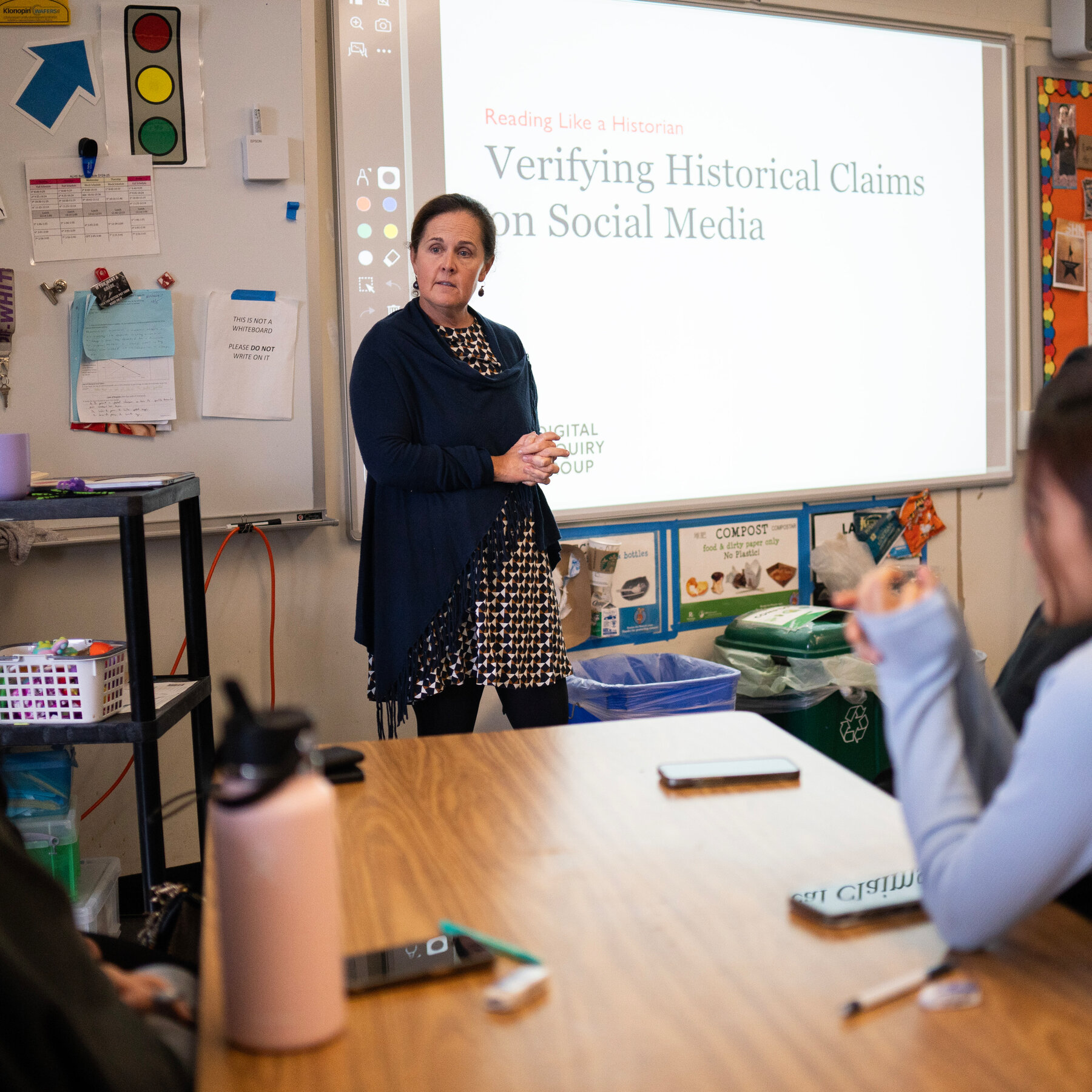
- Teachers Innovate With Project-Based Learning: Educators like San Francisco high school teacher Valerie Ziegler are embedding media literacy into project assignments. Through mock fact-checking offices and student-led social campaigns, teens learn to evaluate digital claims and identify persuasive techniques.
- Policy Supports Media Literacy Mandates: States like California are considering laws requiring critical media literacy in K–12 classrooms. These legislative pushes reflect growing public support for preparing students to thrive in a digital society influenced by AI and social media.
- Media Literacy Now Inc Drives National Adoption: Advocacy group Media Literacy Now Inc is leading momentum to standardize curriculum guidelines across multiple states. Their efforts aim for equitable access to media education regardless of zip code or school funding.
- AI Awareness Trains the Next Generation: Students are not just learning to use AI—they’re learning to question it. Lessons include detecting AI-created misinformation and understanding how generative tools can be both useful and misleading when unchecked. Like many tech-enhanced efforts, striking the right balance between innovation and responsibility is key, similar to the approaches seen in Effective AI-Driven Classroom Teaching Strategies Today.
- Teens Participate in Media Audits and Debates: Classroom activities now include social media audits, where students reflect on their own feed patterns. Group debates on real-world digital controversies build not just literacy but civic dialogue skills as well.
- Bridging Cultural and Digital Knowledge Gaps: Teachers are blending media instruction with conversations on race, gender, and identity to develop nuanced understanding. This intersectional approach ensures students see digital media as a reflection and shaper of society.
- After-School Clubs Inspire Media Curiosity: Outside the classroom, students are joining media literacy clubs focused on trend analysis, deep dives into influencers, and bias detection games. These informal spaces build peer-led momentum for smart media habits.
- Parental Engagement Complements Classroom Efforts: Schools are also inviting parents into the conversation with workshops on AI impacts and digital safety. This collaborative model ensures consistent values are reinforced both at home and at school, echoing a hybrid approach seen in Personalized AI Content Strategies for Small Businesses, where both technology and community shape outcomes.
Why Critical Media Literacy Training For Screenagers Matters Today
As algorithms evolve and deepfakes become harder to detect, teaching critical media literacy is no longer optional—it’s foundational. Educators, tech partners, and policymakers are collaborating to train screenagers not just to consume content, but to challenge and contextualize it. The emphasis on student-led analysis, equity, and hands-on learning reflects a brighter path forward in digital education.
Collaboration Drives Curriculum Forward
What’s especially encouraging is how many sectors—education, nonprofit, and government—are working together to push this movement. Resources are being shared, success stories exchanged, and teachers are no longer isolated in the effort. This collective action ensures that media literacy evolves as technology does.
Digital Resilience Starts in the Classroom
In a world where misinformation spreads quickly and AI-generated content clouds reality, it’s inspiring to see students developing digital resilience early. They’re learning to pause before sharing, question before believing, and analyze before accepting. With continued training and support, screenagers will be ready to lead in a transparent, tech-informed future.
Final Thoughts: A Generation of Digital Detectives
Today’s teens are growing up in a world shaped by algorithms, AI, and endless information. With the right tools, they’re more than capable of navigating it wisely. Critical media literacy training for screenagers ensures that tomorrow’s leaders are equipped not just to survive online, but to shape it ethically and intelligently.