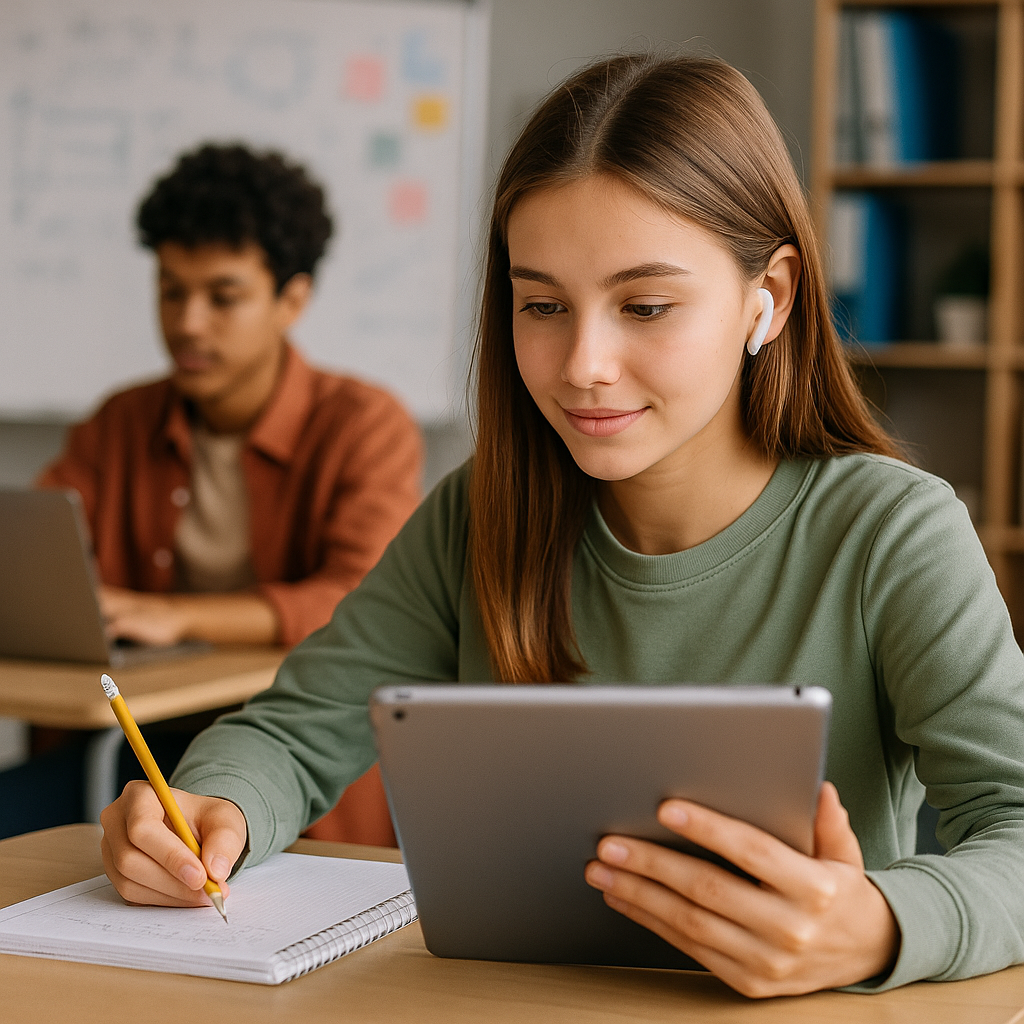
Adapting EdTech for Personalized Student Learning has become a cornerstone in modern education. As technology advances, educators are finding innovative ways to tailor educational experiences to individual student needs.
- Overview
- Key Benefits
- Common Challenges
- Practical Strategies
- Final Thoughts
Overview of Adapting EdTech for Personalized Student Learning
The integration of educational technology (EdTech) in classrooms is transforming teaching methodologies. Adapting EdTech for personalized student learning means utilizing technology to customize the educational process. This approach acknowledges that each student learns differently, allowing teachers to meet these varied needs more effectively.
Key Benefits of Personalized EdTech
One of the primary benefits is increased student engagement. Personalized learning via EdTech keeps students interested, as they receive content suited to their learning pace. According to the Edutopia, incorporating technology can also lead to better learning outcomes. Students can access resources anytime, learn at their speed, and revisit materials as needed.
Additionally, EdTech empowers teachers by providing tools for tracking progress. Teachers can identify students who need more support and design interventions accordingly. This targeted approach helps in improving overall academic achievement.
Common Challenges When Adapting EdTech
Despite its benefits, adapting EdTech presents several challenges. Technical issues are common, as schools need reliable hardware and internet access. Inequities in technology access can create disparities in learning. Educators must address these gaps to ensure all students benefit equally.
Furthermore, there is a learning curve for both educators and students. Teachers may require professional development to effectively use new tools. Students also need guidance on navigating new platforms and utilizing them effectively.
Practical Strategies for Implementing EdTech
For successful adaptation, schools should start with a clear implementation plan. Begin by assessing the technology resources available and identifying the specific needs of the student population. Collaboration with stakeholders, including parents, helps in creating a supportive environment.
Professional development is crucial. Schools should offer training workshops for educators to familiarize them with new technologies. This can facilitate a smoother transition and ensure teachers can fully utilize EdTech’s potential.
Monitoring and feedback mechanisms are essential. Regular evaluation of the technology’s impact on student learning can guide adjustments and improvements.
Final Thoughts on Embracing EdTech
In conclusion, adapting EdTech for personalized student learning is a transformative approach that can improve education quality. By acknowledging individual learning paths and utilizing technology effectively, educators can enhance engagement and achievement. Overcoming challenges with strategic planning and continuous support will pave the way for successful integration. With careful adaptation, EdTech can lead to a more inclusive and effective educational experience for all students.