In today’s fast-paced world, understanding the ever-evolving technology market can feel like an uphill battle. Analysis of AI driven stock market forecasting trends has become increasingly relevant as investors seek to make informed decisions. With a focus on the health of financial portfolios, integrating AI technology not only offers potential advantages but also carries certain risks. This article delves into the realistic benefits and possible pitfalls, providing you with actionable insights into this emerging topic.
Deep Dive into AI Driven Stock Market Forecasting Trends
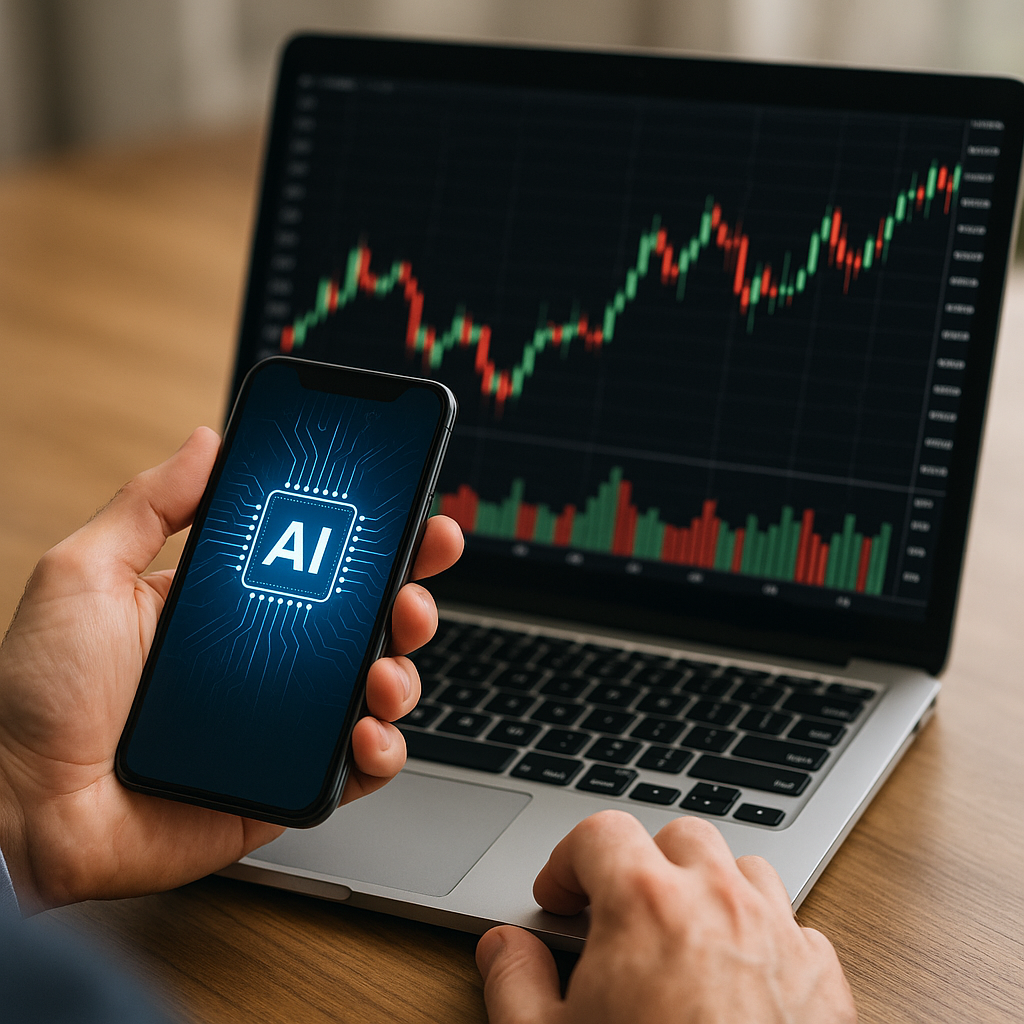
AI technology has shifted the landscape of stock market forecasting by providing valuable tools for data analysis. These tools can process vast amounts of information quickly, offering timely predictions that were previously unattainable. Consequently, AI helps investors react to market changes more efficiently, potentially preserving their financial health.
Health Benefits of Embracing AI in Financial Planning
- Improved Decision Making: AI algorithms analyze historical data to highlight patterns, aiding sound investment decisions.
- Stress Reduction: Automated insights can lower anxiety by providing clarity amid market volatility.
- Time Efficiency: AI systems process data faster than manual methods, freeing up time for investors to focus on other activities that promote wellbeing.
While there are notable benefits, it’s crucial to consider the risks associated with relying too heavily on AI for stock market forecasting. The technology, though advanced, is not infallible and can sometimes offer predictions based on incomplete or biased data.
Potential Risks in Analysis Of AI Driven Stock Market Forecasting Trends
- Over-reliance on Technology: Depending solely on AI can lead to negligence in personal research and understanding.
- Data Privacy Concerns: The wealth of data required may pose privacy risks, necessitating strict protection measures.
- Market Anomalies: Unpredicted events may still elude AI, causing inaccurate forecasts that even the sophisticated algorithms cannot foresee.
For those considering incorporating AI insights into their investment strategies, maintaining balance is key. It is advisable to use AI tools complementarily rather than as the sole guide. Evaluating AI-driven forecasts alongside professional financial advice helps achieve a healthier approach to investing.
In conclusion, incorporating AI in stock market forecasting has the potential to revolutionize personal financial health positively. However, a measured approach that considers both benefits and risks will ensure a more holistic financial strategy. Staying informed and maintaining a proactive stance are fundamental in leveraging AI-driven insights successfully.