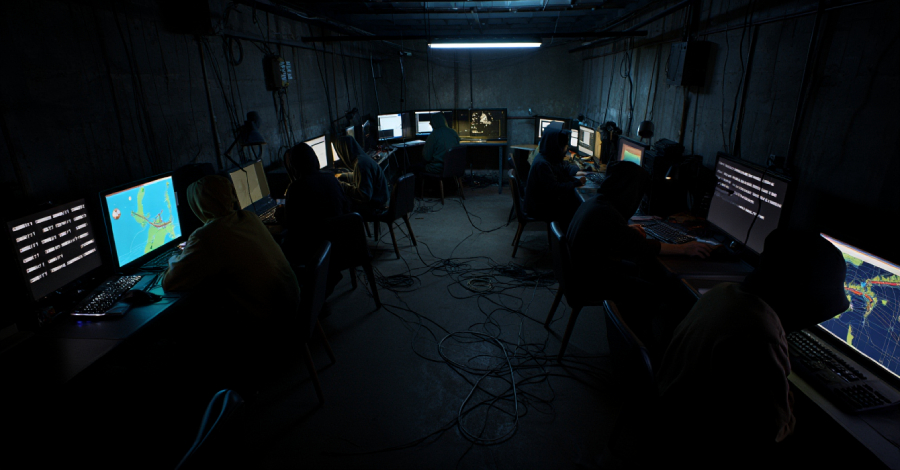
Cyber-Enabled Kinetic Targeting in Modern Warfare is rapidly evolving as a critical threat vector, with Iranian-linked cyber actors now coordinating digital operations to support real-world attacks. This convergence signals a dangerous shift in modern conflict strategies, according to a recent report by Amazon.
Cyber-Enabled Kinetic Targeting in Modern Warfare Redefines Global Threat Landscape
Latest Developments
Amazon’s threat intelligence unit reports that cyber operations tied to Iranian state actors have increasingly facilitated physical strikes. These activities—called “cyber-enabled kinetic targeting”—blend digital surveillance with military action, enabling more precise real-world attacks on key assets or individuals.
Background and Context
The boundary between cyber attacks and traditional warfare is vanishing. Historically, cyber operations focused on espionage or infrastructure disruption. Now, adversaries are using cyber intrusions to identify, track, and aid in the physical targeting of strategic assets, shifting policy and defense priorities worldwide.
Expert Reactions and Strategic Implications
Security analysts warn this hybrid model could lower the barrier to physical conflict. “We’re witnessing the merging of digital reconnaissance with kinetic goals,” said a cybersecurity expert briefed on the findings. Experts urge governments to update both defense doctrine and international law to address this new threat classification.
Figures and Data Insights
- Amazon identified multiple Iranian actor groups deploying malware to assist military targeting.
- Cyber-enabled kinetic campaigns focused on dissidents, infrastructure, and logistics hubs.
- Global trend: Similar strategies seen in Ukraine and by other state-linked cyber units.
- “This marks a new warfare paradigm,” said Amazon’s report, calling for a global reevaluation of cyber threat response frameworks.
Outlook and Next Steps
As cyber-enabled kinetic targeting spreads, the geopolitical risk landscape will continue to shift. Defense experts advocate for integrated security strategies that fuse cyber defense with real-world threat intelligence. Nations must adapt quickly to match the speed and precision of these new hybrid attacks.
With digital tools increasingly used as force multipliers in physical conflicts, cyber-enabled kinetic targeting may soon become a standard feature of modern warfare—raising serious policy and ethical challenges across the globe.