Moderate Inflation Impact on Voter Spending in 2026
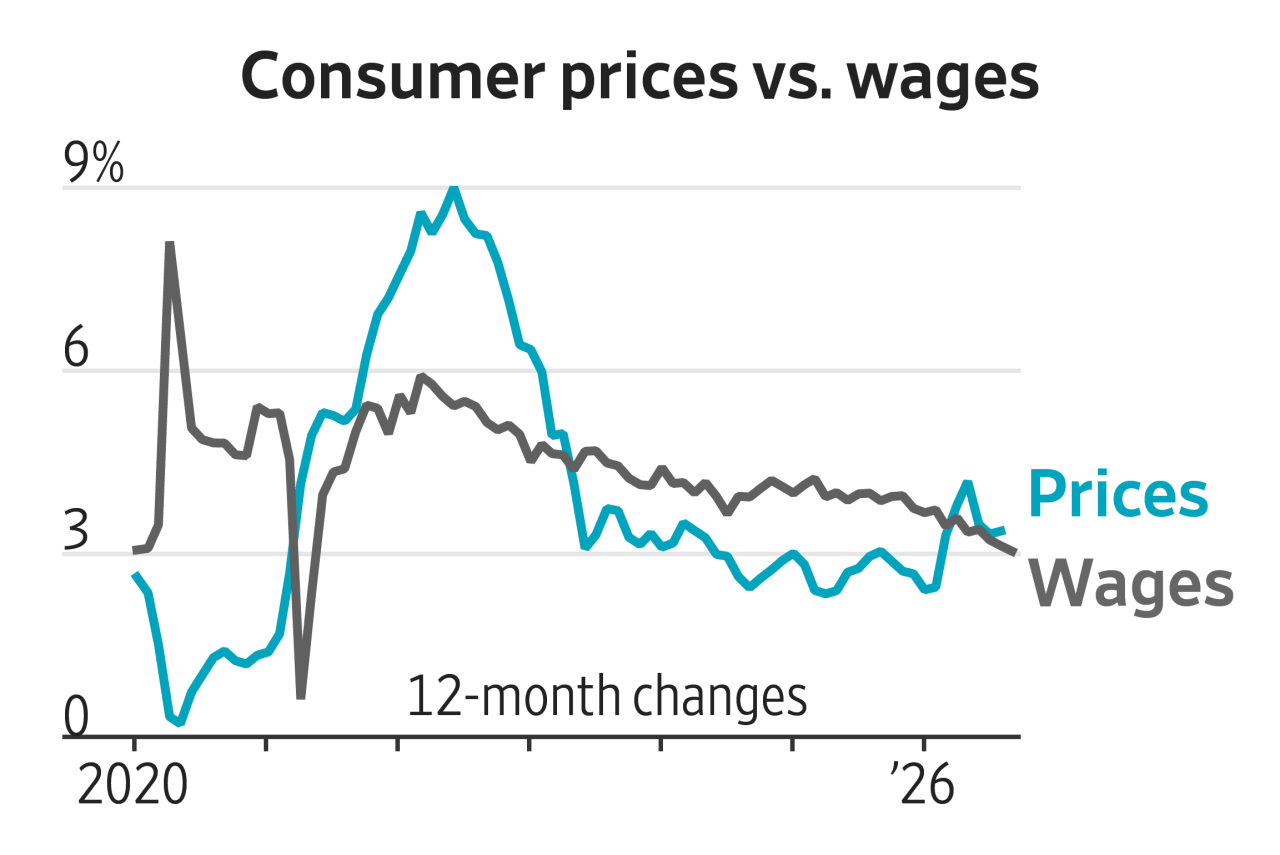
While inflation has eased since its peak four years ago, voters still face significant price increases today.
- Moderate inflation continues to shape voter spending habits in 2026. Despite the slowdown, the cost of goods remains notably high.
- Many voters are adapting by prioritizing essential purchases. This shift reflects resilience and adaptability in consumer behavior.
- Businesses are leveraging technology to manage costs, which may benefit consumers by mitigating price hikes.
- Communities and local governments are collaborating to create support systems. These systems aim to alleviate financial pressure on residents.
- Innovation in budgeting apps offers individuals better tools for planning their expenditures efficiently.
- While challenges persist, there is a conscious move towards sustainable spending patterns among consumers.
- Policy makers are closely monitoring inflation trends. Their goal is to devise strategies that help stabilize the economic landscape.
- Efforts are underway to enhance financial literacy, empowering voters to make informed spending decisions.
- Public discourse around inflation encourages transparency. This discussion fosters a more inclusive approach to economic challenges.
- Experts suggest moderate inflation may provide some economic opportunities. It encourages investment while keeping a check on excessive spending.
Cooperation Amid Moderate Inflation Impact on Voter Spending
Overall, despite moderate inflation, strategic planning, and cooperative efforts aim to ease its impact on voter spending. These developments could lead to a more balanced economic future.