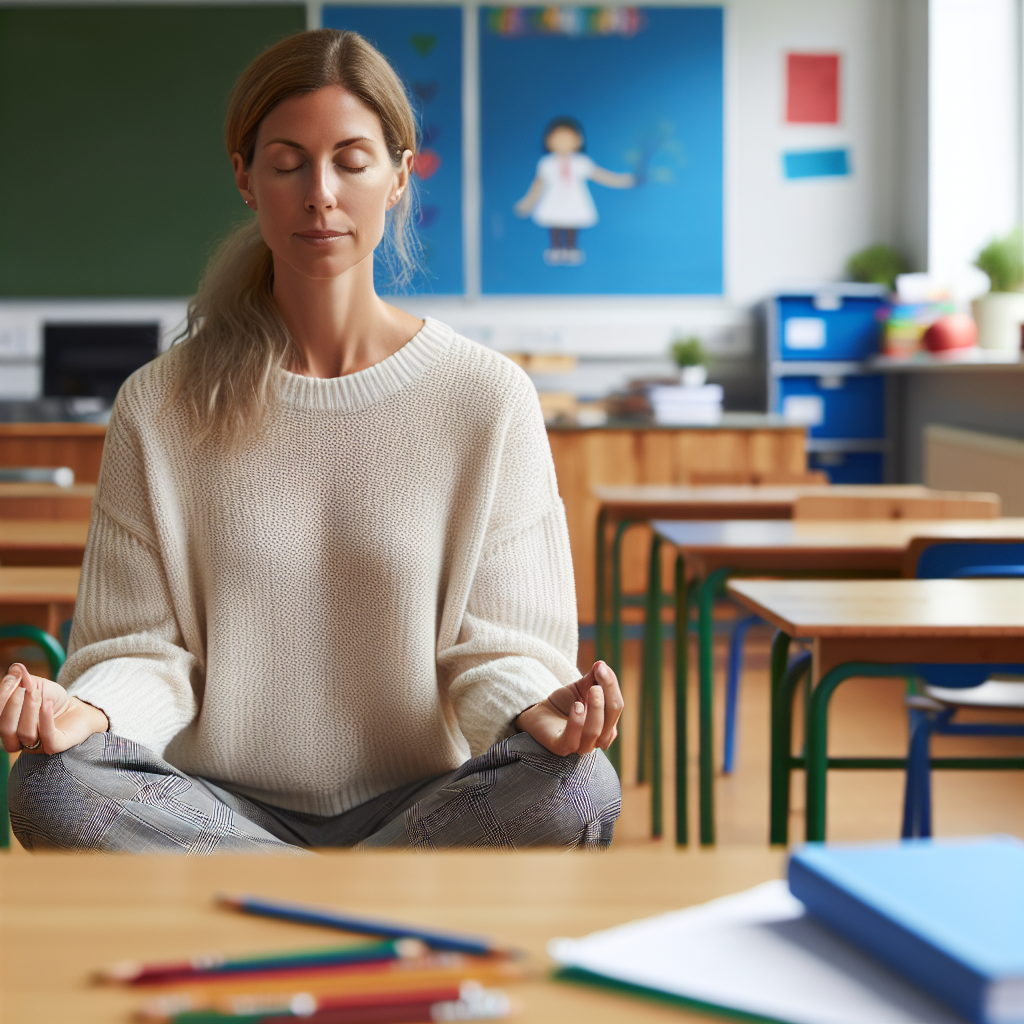
Teacher Wellbeing Strategies for Post-Pandemic Resilience have become a vital part of maintaining the health and effectiveness of educators. As classrooms continue adapting to changes in routine, expectations, and safety protocols, teachers are facing a new level of mental, emotional, and physical stress. Supporting their wellbeing is not just a personal concern, it directly impacts student outcomes, school culture, and the longevity of the profession.
Why Teacher Wellbeing Matters More Than Ever
Even before the pandemic, teaching was acknowledged as one of the most high-stress jobs. The emotional labor of working closely with students, meeting administrative demands, and consistently maintaining performance standards took a visible toll. After COVID-19, these stresses magnified. Teachers had to rapidly switch between remote and in-person learning, manage health concerns, and often felt isolated or unsupported. That’s why applying thoughtful, research-based Teacher Wellbeing Strategies for Post-Pandemic Resilience is essential to restore balance and protect long-term health.
Research from educational and psychological organizations shows that chronic stress among educators can lead to anxiety, burnout, and physical health issues such as sleep disorders or hypertension. On the other hand, schools that actively prioritize teacher wellbeing report improved teacher retention, fewer absences, and stronger student engagement. The connection is clear—supporting teacher health is a systemic need, not just a personal choice.
Effective Teacher Wellbeing Strategies for Post-Pandemic Resilience
Developing resilience and improving wellbeing doesn’t mean tackling everything at once. Instead, small, consistent changes can build a solid foundation over time. Here are several strategies that can make a meaningful difference:
Create Boundaries Around Work Hours
One of the most practical and often overlooked strategies is setting clear boundaries between work and personal life. During the pandemic, the line between home and school blurred significantly. Many teachers continued grading or responding to emails late into the evening. While dedication is admirable, this habit quickly leads to exhaustion. Setting limits—such as turning off school devices after 6 PM or not checking emails during weekends—can help educators reclaim personal time, which is crucial for mental recovery.
Build Regular Mental Health Check-Ins
Schools should normalize regular mental health check-ins. These might include brief mindfulness sessions, peer-support groups, or access to counseling services. Having a safe space to share challenges or simply reflect without judgment encourages emotional balance. Teachers who feel emotionally supported are more likely to stay motivated and involved. Even solo practices like journaling or brief breathing exercises during the day can help reset the nervous system and reduce stress.
Prioritize Sleep and Nutrition with Simple Habits
Though obvious, sleep and nutrition are often sacrificed during high-stress periods. Getting adequate sleep helps regulate mood, improve concentration, and sharpen decision-making—skills every teacher needs daily. Similarly, consistent meals that include whole grains, fruits, lean proteins, and hydration support sustained energy. Planning meals ahead, keeping healthy snacks on hand, and setting a phone reminder to wind down at night can create more consistency without being overwhelming.
Reconnect With Your “Why”
During hard periods, it’s easy to lose sight of the initial passion that brought you to teaching. Reflecting on your “why”—whether it’s inspiring future leaders, fostering creativity, or supporting vulnerable students—can reignite purpose. Writing down meaningful moments after each week, celebrating small wins, or sharing success stories with colleagues helps keep positivity and motivation alive in difficult times.
Engage in Professional Autonomy and Growth
Feeling empowered at work directly improves job satisfaction. Teachers thrive when they can use creativity in the classroom, make instructional choices, or pursue professional growth in areas they care about. Whenever possible, seek out workshops, peer collaborations, or leadership opportunities that align with personal interests. These not only support career advancement but also strengthen confidence and reduce the feeling of stagnation sometimes experienced in a rigid school system.
Seek Social Connection and Team Support
Isolation was a significant factor in teacher burnout during the pandemic. Rebuilding a sense of connection within your school or educational community is key. Whether it’s a 10-minute coffee chat with a colleague, joining a virtual educator forum, or starting a peer mentoring initiative within your school, social support remains one of the strongest protective factors against burnout. Knowing you are not alone can change everything.
What Schools Can Do to Promote Teacher Health
While individual strategies are powerful, sustainable resilience depends on supportive environments. Administration has a major role in creating a culture where teacher wellbeing is not just encouraged, but expected. Leaders can start by:
- Offering professional development focused on stress management and wellbeing practices
- Building flexibility into teaching schedules when possible
- Encouraging mental health days without stigma
- Providing resources like wellness stipends or access to fitness programs
- Fostering an open-door policy where teachers can voice concerns safely
These actions can significantly shift the emotional climate of a school toward one that recognizes and supports teachers as whole people, not just professionals.
Measuring the Impact of Wellbeing Initiatives
To ensure these Teacher Wellbeing Strategies for Post-Pandemic Resilience are actually working, consider simple, consistent ways to track their effectiveness. Informal surveys, regular feedback sessions, or even observing changes such as reduced absenteeism and improved classroom morale can all offer insight. The more leadership includes teachers in the evaluation process, the more aligned and effective these strategies become over time.
Final Thoughts: A New Vision for Education
As we move beyond the crisis phase of the pandemic, we have a powerful opportunity to redefine how we care for teachers. By applying these realistic and evidence-based Teacher Wellbeing Strategies for Post-Pandemic Resilience, both educators and students benefit from healthier, more sustainable learning environments. Everyone wins when teachers are given the tools and support to thrive—inside and outside of the classroom.