“`html
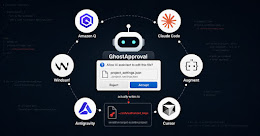
Security risks in AI coding assistant tools have recently come to light. Researchers at Wiz discovered vulnerabilities in six popular AI coding tools, potentially compromising developer systems.
Uncovering the Risk in AI Coding Assistants
- Wiz researchers identified a critical flaw in AI coding assistants such as Amazon Q Developer and Google Antigravity. These vulnerabilities can allow malicious projects to manipulate sensitive files without users’ knowledge.
- The flaw involves symlink attacks, where an AI assistant could write to unintended locations on a developer’s computer. This tactic exploits a seemingly benign user file modification request to cause more significant harm.
- Despite the security risks in AI coding assistant tools, this discovery prompts crucial enhancements in AI-assisted coding practices. Developers and platforms now have the opportunity to fortify their systems and processes.
- Leading companies behind these AI tools, including Anthropic and Windsurf, are actively working to address and patch the vulnerabilities. Their quick response highlights the importance of maintaining secure AI tool environments.
- Users of vulnerable platforms are advised to stay informed about updates and patches. Regular software updates are integral to keeping development environments secure against evolving threats.
- To reduce security risks, developers are encouraged to implement additional protective measures such as verifying changes and adopting multi-level security checks. This approach enhances defense against unintentional system breaches.
- Positive outcomes from this situation include fostering industry cooperation to improve AI safety standards. Such collaborative efforts ensure long-term resilience against potential security flaws.
- Overall, while security risks in AI coding assistant tools pose threats, they also present an opportunity to bolster security protocols, paving the way for a safer digital future.
Proactive Measures Against Security Risks in AI Coding
- The ongoing collaboration between AI tool developers signifies a constructive shift toward proactive security measures. This collective vigilance will enhance the overall trustworthiness of AI coding assistants.
In conclusion, identifying security vulnerabilities leads to innovation and improvement in AI coding tools. As developers and companies respond to these risks, the future looks promising for more robust and safer coding environments.
“`