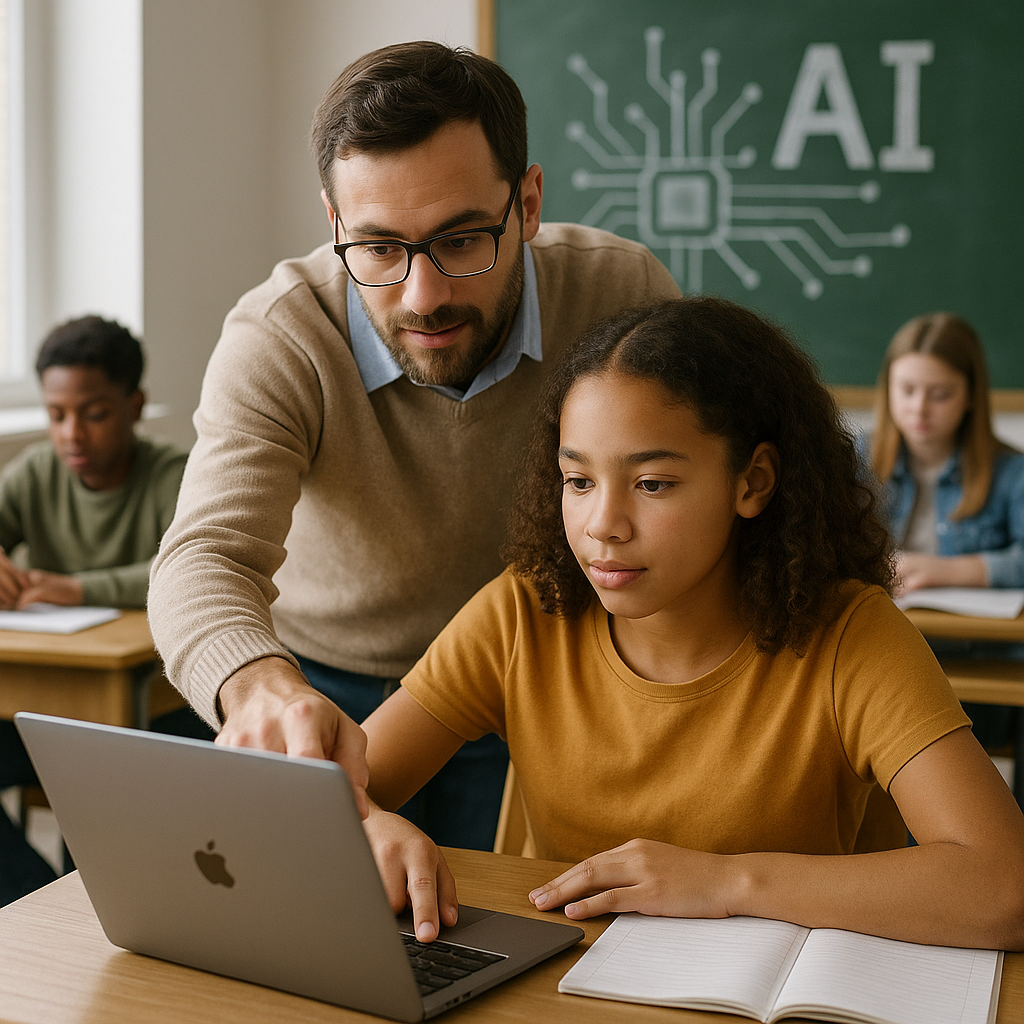
The impact of AI on classroom teaching strategies is profound, reshaping how educators deliver and students receive education. As schools increasingly adopt AI technologies, educators are exploring new methods to enhance learning experiences. This article delves into the benefits, challenges, and strategic applications of AI in education.
- Overview
- Key Benefits
- Common Challenges
- Practical Strategies
- Final Thoughts
Understanding the Impact of AI on Classroom Teaching Strategies
Artificial intelligence is transforming traditional teaching dynamics. By introducing adaptive learning platforms and intelligent data analysis, AI supports educators in personalizing instruction. With AI, classrooms become more interactive and tailored to individual student needs.
Key Benefits of AI in Education
One primary advantage of AI in the classroom is personalized learning. AI technologies can analyze students’ learning patterns and customize content delivery. This ensures that students receive an education suited to their unique learning styles.
Furthermore, AI aids in real-time feedback. Systems can instantly assess student performance, allowing teachers to identify and address issues promptly. This immediate response fosters a supportive learning environment, crucial for student success.
Classroom management also sees improvements. AI can automate administrative tasks, freeing teachers to focus on engaging students. Additionally, AI supports diverse learning resources, offering a wealth of materials to enhance traditional curricula.
Common Challenges Faced by Educators
Despite its benefits, AI integration poses challenges. One significant hurdle is the cost of implementing and maintaining AI systems. Many schools may struggle with the financial burden and lack necessary infrastructure.
Moreover, there is concern about data privacy. AI systems often require access to student data, raising issues about safety and consent. Schools must ensure robust data protection measures to safeguard student information.
Lack of adequate training is another challenge. Teachers need to understand AI tools to use them effectively. Without proper professional development, the potential of AI in classrooms remains untapped.
Practical Strategies for Implementing AI
To harness AI effectively, start small. Introducing AI through pilot programs allows schools to test systems and gather feedback. Engaging educators in these early stages ensures they become familiar with the technology before full-scale implementation.
Continuous professional development is crucial. Schools should invest in training programs that help teachers understand and utilize AI tools efficiently. Resources like Edutopia provide valuable insights into AI applications in education.
Collaboration between educators and technology providers is also vital. By working together, schools can tailor AI systems to meet specific educational needs, ensuring maximum impact and effectiveness.
Final Thoughts on the Impact of AI
The impact of AI on classroom teaching strategies presents opportunities and challenges. While AI offers significant benefits like personalized learning and efficient classroom management, schools must address issues like costs and data privacy. By adopting practical strategies and fostering collaboration, educators can leverage AI to create more dynamic and inclusive learning environments.