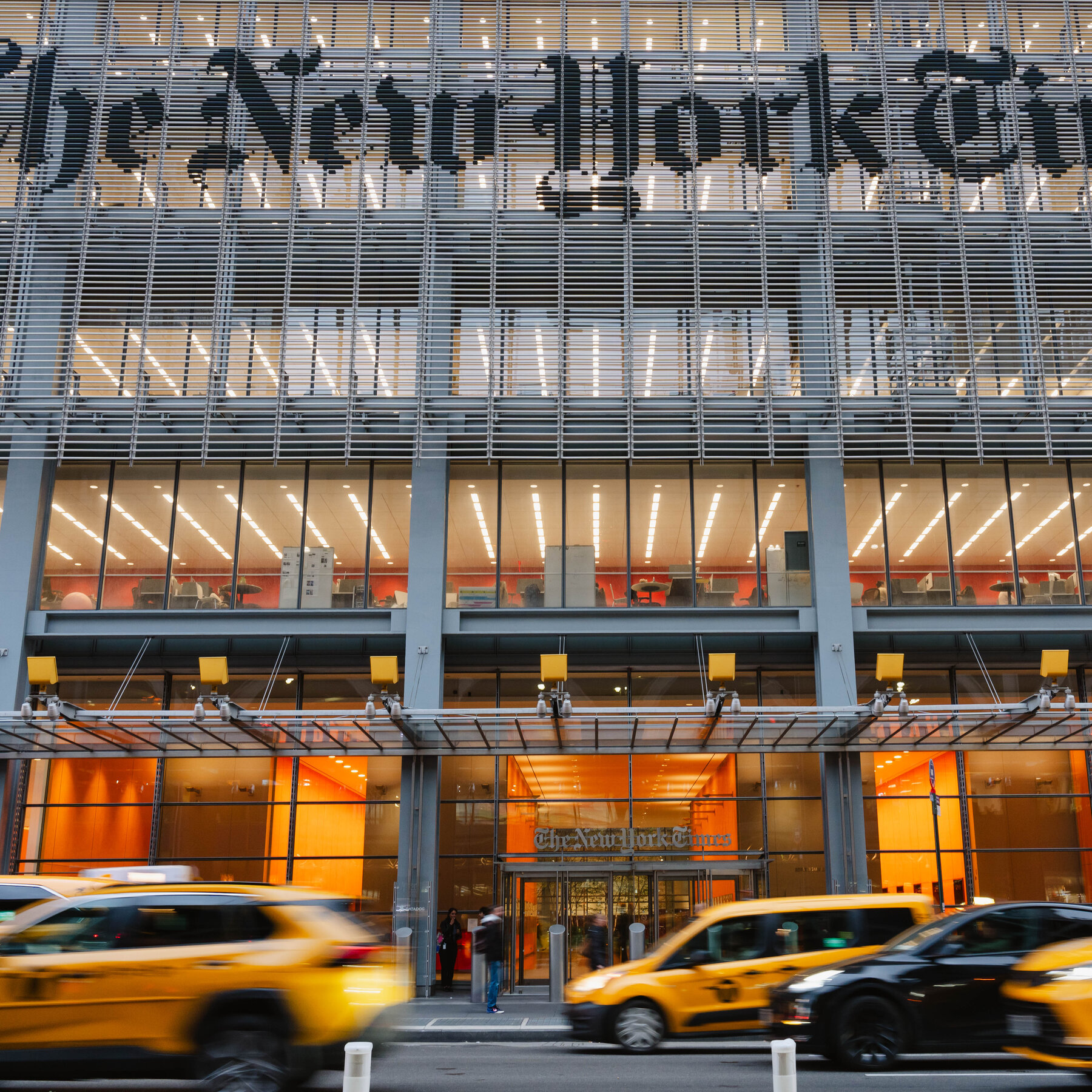
Journalistic Freedom Challenged by Subpoena Tactics
Journalistic Freedom Amid Government Subpoena Tactics is increasingly drawing attention. Recently, the United States withdrew subpoenas that had been issued to journalists from The New York Times, capturing the intricate balance between national interests and a free press.
Judicial Scrutiny Casts Spotlight on Journalistic Freedom
- A federal judge’s scrutiny of how the government handled these subpoenas has raised important discussions. This step underscores the vital role of judicial oversight in protecting journalistic integrity.
- The New York Times had been battling these subpoenas, viewing them as intimidation measures against free press practices. The outcome highlights persistent efforts by media entities to safeguard their rights.
- Insights from legal experts suggest that such cases reinforce the precedence of first amendment rights. This offers a beacon of hope for journalists who report on sensitive issues.
- Despite initial tensions, the withdrawal indicates a potential shift toward more cooperative solutions between the press and governmental bodies. This could foster a healthier dialogue in the future.
Subpoena Withdrawal: An Opportunity for Dialogue
- The withdrawal creates a valuable opportunity for reforming how subpoenas involving the press are pursued. This progression can lead to more balanced approaches in handling press-related legal matters.
- Free press advocates see this as a moment to recalibrate policies that govern interactions with media organizations. This could pave the way for enhanced transparent governance.
- Media outlets highlight this as a victory not just for The New York Times, but for journalism at large. This triumph looks beyond mere institutional gains, aiming for broader press freedoms.
- Such developments remind stakeholders of the crucial role of the press in democracy. It emphasizes that journalistic freedom is central to informed public discourse and governance accountability.
- Government officials and media entities are encouraged to work together to create protective measures for journalism without compromising on national security.
Encouraging Progress and Future Possibilities
- This incident encourages other journalists and media institutions to continue their essential work without fear of inappropriate legal interruptions. It sets a precedent for standing up to intimidating practices.
- Legal community leaders are poised to use this case as a framework for refining how judiciary roles interact with press freedoms. Such groundwork promises more equitable legal interpretations in the future.
- Enhanced clarity in handling media subpoenas may contribute to improved public trust, reinforcing the crucial bond between media freedom and democratic values.
In closing, this case exemplifies that while challenges to journalistic freedom exist, opportunities for progress also emerge. The potential for cooperative advancements between legal entities and media organizations could reshape a brighter future for press freedom. This evolution underscores the intertwined nature of a free press and democratic integrity.