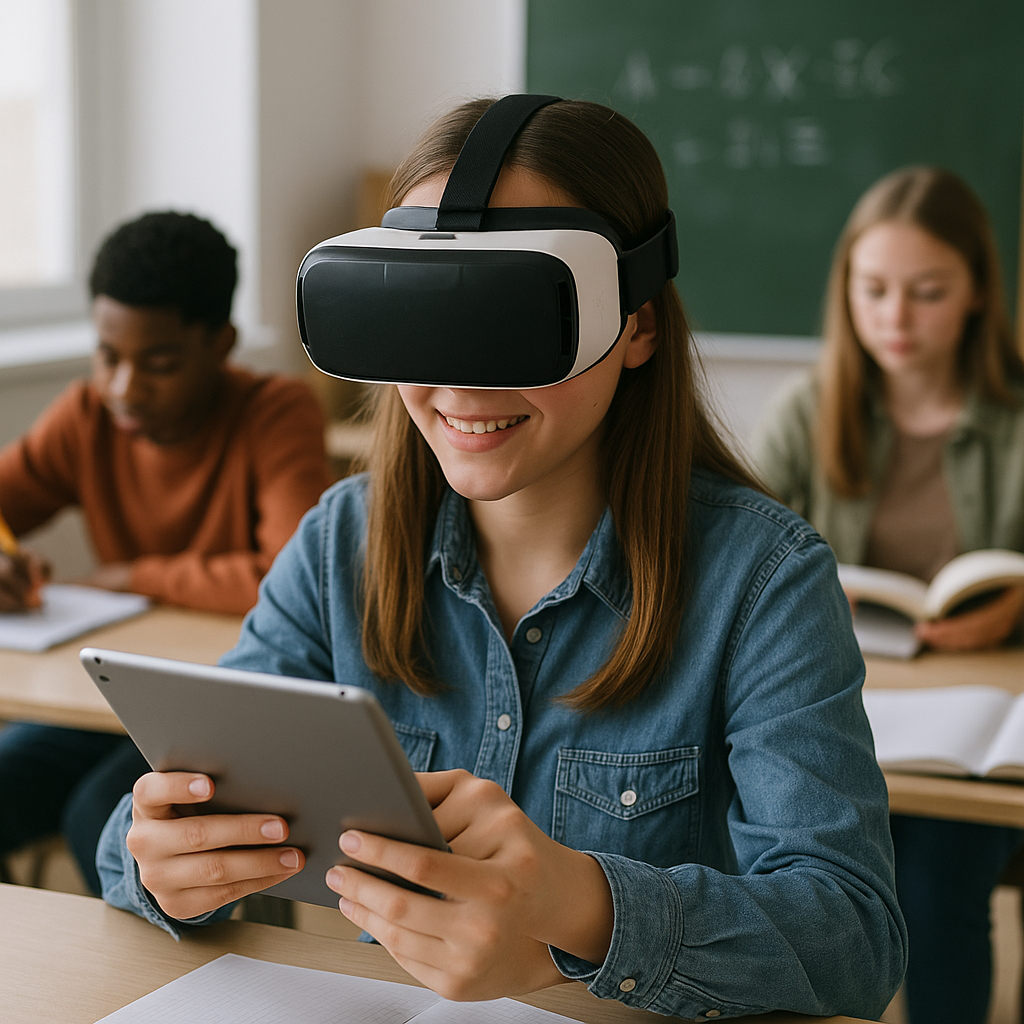
Emerging EdTech tools are transforming student engagement in unprecedented ways. As technology advances, educators have access to a range of tools that enhance learning experiences and increase student interaction. This article explores the key benefits, challenges, and strategies for integrating these tools effectively.
- Overview
- Key Benefits
- Common Challenges
- Practical Strategies
- Final Thoughts
Overview of Emerging EdTech Tools Transforming Student Engagement
In the modern educational landscape, technology plays a pivotal role in shaping how students learn. Emerging EdTech tools are being utilized across classrooms globally. They help in creating interactive and dynamic learning environments. With tools like virtual reality, gamified learning platforms, and AI-driven assessments, students engage more deeply with content. Schools that embrace these technologies report improved student motivation and participation.
Key Benefits of Emerging EdTech Tools Transforming Student Engagement
One of the significant advantages is the ability to personalize learning. EdTech tools adapt to individual learning styles and paces, offering personalized content that suits different needs. This customization helps students grasp difficult concepts more effectively.
Moreover, technology enables collaborative learning. Platforms that allow real-time collaboration give students the chance to work on projects together, regardless of location. This not only enhances teamwork skills but also prepares students for a globalized future work environment.
Additionally, technologies like virtual reality create immersive learning experiences. They allow students to explore environments and situations otherwise inaccessible in a traditional classroom setting. This type of engagement facilitates a deeper understanding of complex subjects.
Common Challenges of Using Emerging EdTech Tools
Despite their benefits, several challenges come with integrating EdTech tools. One major issue is the digital divide. Not all students have equal access to the necessary technology, leading to disparities in learning opportunities. Schools must address this gap to ensure equitable access for all students.
Teacher training is another critical challenge. Educators need adequate training to utilize these tools effectively. Without the proper knowledge and skills, the potential benefits of EdTech can remain untapped. Professional development programs focusing on technology integration are essential.
Additionally, there is a risk of over-reliance on technology. While digital tools enhance learning, it is crucial to maintain a balanced approach that incorporates traditional teaching methods. This balance helps prevent screen fatigue and ensures a well-rounded educational experience.
Practical Strategies for Implementing Emerging EdTech Tools
To successfully implement EdTech tools, schools should begin with a clear strategy. Setting defined goals and objectives helps align technology use with educational outcomes. Involving stakeholders, including students, parents, and teachers, in the planning process ensures broader acceptance and smoother integration.
Investing in teacher training is also crucial. Workshops and continuous professional development help educators stay updated on the latest tools and best practices. Knowledgeable teachers are more likely to engage students effectively with technology.
Lastly, schools should focus on creating an inclusive technology environment. Ensuring all students have access to devices and internet connectivity is vital. Schools can partner with local communities and organizations to provide resources for students in need.
Final Thoughts on Emerging EdTech Tools Transforming Student Engagement
Emerging EdTech tools hold immense potential to revolutionize the learning experience by boosting student engagement. While challenges exist, such as the digital divide and the need for teacher training, practical strategies can help overcome these barriers. By creating a balanced and inclusive approach to technology integration, schools can harness the power of EdTech to prepare students for the future. For further insights and guidelines on integrating educational technology, educators can refer to resources from Edutopia.